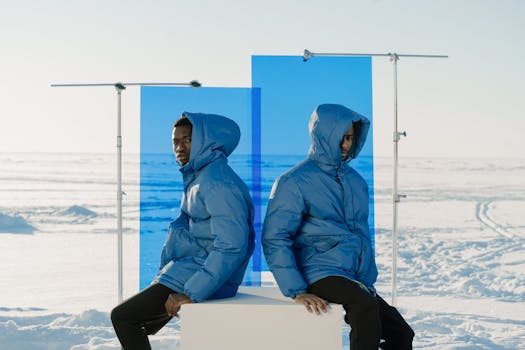
The fashion industry is undergoing a seismic shift. No longer is it enough for winter outerwear to simply look stylish or keep us warm. Today, an increasing number of shoppers are demanding products that are not only functional and fashionable but also sustainable. This movement is driving brands to rethink materials, production methods, and life cycles to revolutionize winter outerwear in ways that lessen environmental impact and promote ethical practices. Let’s explore how sustainable winter outerwear is reshaping the fashion landscape, the innovations making it possible, and what this means for conscious consumers and the industry’s future.
The Environmental Cost of Conventional Winter Outerwear
Traditional winter outerwear has long relied on materials and processes that are resource-intensive and environmentally damaging. The most common materials—such as polyester, nylon, and conventional down—are derived from fossil fuels and require significant energy to produce. According to the Ellen MacArthur Foundation, the fashion industry is responsible for 10% of global carbon emissions and is the second-largest consumer of the world’s water supply.
Waterproof coatings like PFCs (perfluorinated compounds), often used in outerwear, do not break down in nature and can accumulate in the environment, harming wildlife and potentially human health. In 2022, Greenpeace reported that 73% of tested popular outdoor jackets contained detectable levels of hazardous PFCs. Furthermore, the mass production of fast fashion winter coats leads to over 92 million tons of textile waste annually, much of which ends up in landfills or incinerators.
.png)
Innovative Materials Leading the Sustainable Outerwear Revolution
To address these challenges, forward-thinking brands are turning to innovative, eco-friendly materials. These alternatives not only reduce environmental impact but also often offer comparable or superior performance.
1. $1 By repurposing post-consumer plastic bottles or fishing nets, brands like Patagonia and The North Face are creating high-performance outerwear while significantly reducing energy use and greenhouse gas emissions. For example, recycled polyester uses 59% less energy compared to virgin polyester. 2. $1 Recent advancements have introduced materials made from renewable plant sources. For instance, PrimaLoft’s Bio insulation is 100% biodegradable and made from recycled materials. Brands like Pangaia use FLWRDWN, a down alternative derived from wildflowers. 3. $1 Certifications such as the Responsible Down Standard (RDS) and Responsible Wool Standard (RWS) ensure animal welfare and environmentally conscious farming practices. This guarantees that the insulation inside jackets comes with a lower ethical and ecological footprint. 4. $1 Waxed cotton, lanolin-treated wool, and advanced plant-based DWR (durable water repellent) treatments offer water resistance without toxic chemicals. Fjällräven’s Greenland Wax is a notable example, blending beeswax and paraffin for effective, toxin-free weatherproofing.Comparing Sustainable vs. Conventional Winter Outerwear
The benefits of sustainable winter outerwear go beyond marketing—there are clear environmental, ethical, and performance differences. The table below highlights key areas of comparison:
| Feature | Conventional Outerwear | Sustainable Outerwear |
|---|---|---|
| Main Materials | Virgin polyester, nylon, down | Recycled synthetics, certified down/wool, plant-based fibers |
| Insulation | Conventional down, synthetic fill | RDS down, recycled fill, biodegradable plant-based fill |
| Waterproofing | PFC-based DWR coatings | PFC-free, waxed cotton, plant-based DWR |
| Carbon Footprint (per jacket) | Up to 24 kg CO2e | As low as 6-10 kg CO2e (using recycled/bio-based) |
| End-of-Life | Landfill/incineration | Biodegradable, recyclable, take-back programs |
| Animal Welfare | Unregulated | Certified humane (RDS/RWS) |
These comparisons reveal that sustainable options not only mitigate harm but also offer traceability and innovation, giving consumers a better overall value.
The Role of Circular Fashion in Winter Outerwear
Circular fashion is a transformative approach that aims to design waste out of the system entirely, keeping materials in use as long as possible. The winter outerwear segment is increasingly embracing circular principles through initiatives such as:
- $1 Brands like Arc’teryx and Patagonia offer lifetime repair services, encouraging consumers to extend the life of their garments. In 2023, Patagonia repaired over 100,000 pieces of clothing. - $1 North Face’s Clothes the Loop and Canada Goose’s Generations platform accept used jackets for recycling or resale, reducing landfill waste. - $1 Some new outerwear designs use minimal, easily separable components, allowing easier recycling at end-of-life.According to the Circularity Gap Report, only 8.6% of the global economy was circular as of 2022. By adopting these models, the winter outerwear sector has a significant opportunity to lead the charge toward a more circular, less wasteful fashion industry.
Technology and Transparency: Building Trust in Sustainable Fashion
One of the challenges in sustainable fashion is the risk of greenwashing—misleading consumers about a product’s environmental benefits. To combat this, leading brands are leveraging technology to ensure transparency and accountability.
- $1 Companies like Everlane utilize blockchain to provide a transparent view of their supply chain, allowing consumers to verify where and how materials are sourced and processed. - $1 Labels such as Global Recycled Standard (GRS), Fair Trade, and Bluesign guarantee that products meet rigorous environmental and social criteria. For example, in 2022, over 3,500 textile facilities worldwide were Bluesign certified, indicating safer chemistry and cleaner production.Transparency not only helps consumers make informed choices but also incentivizes brands to maintain high standards throughout their supply chains.
Consumer Impact: How Buying Sustainable Outerwear Makes a Difference
Shoppers wield enormous power in accelerating the shift toward sustainability. According to a 2023 NielsenIQ report, 73% of global consumers say they would change their consumption habits to reduce environmental impact. By choosing sustainable winter outerwear, consumers support:
- Lower carbon emissions and energy use - Reduced chemical pollution and microplastic shedding - Responsible animal welfare practices - More ethical labor conditionsAdditionally, sustainable jackets are often built to last, reducing the need for frequent replacements and saving money in the long run. For example, a high-quality, sustainable winter jacket can last 8-10 years with proper care, compared to 3-4 years for many fast fashion alternatives.
Looking Ahead: The Future of Sustainable Winter Outerwear
The push for sustainable winter outerwear is only gaining momentum. As climate change intensifies and resource scarcity becomes a reality, both brands and consumers are recognizing the urgent need for change. Several trends are likely to shape the future:
- $1 Expect more breakthroughs in biofabrication, such as lab-grown fibers and mycelium (mushroom-based) insulation. - $1 More brands will invest in closed-loop systems that recycle old jackets into new ones. - $1 Industry-wide partnerships, like the UN Fashion Industry Charter for Climate Action, will set ambitious carbon reduction targets.Ultimately, sustainable winter outerwear represents a critical step toward a responsible, resilient fashion industry that can meet both environmental challenges and evolving consumer values.