Fashion weeks play a pivotal role in shaping the trends and operations of the global fashion industry. Held in iconic cities such as New York, Paris, Milan, and London, these events are much more than just glamorous gatherings; they are where the forthcoming season's trends are birthed and the future of fashion starts to take shape.
Influence on Design and Trends
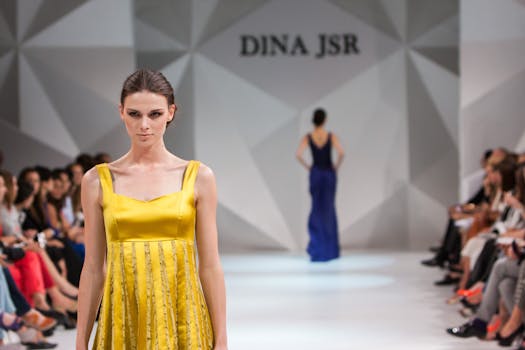
At the heart of fashion weeks lies their ability to set seasonal trends. Designers and fashion houses unveil their latest collections, giving the world a preview of what’s to come in the next season. These collections often predict and set the styles, colors, fabrics, and patterns that will dominate fashion retailers in the upcoming months. For instance, a particular cut or color seen on the runways can quickly trickle down to mass-market offerings, influencing what consumers will wear across the globe.
.png)
Impact on Retail and Production
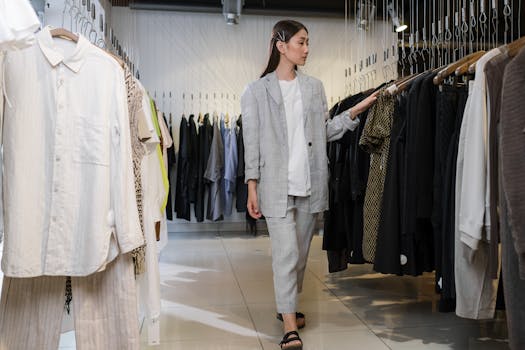
Retail brands closely monitor these fashion weeks to align their upcoming collections with the newest trends. The ripple effect of fashion weeks goes beyond just the aesthetic aspects of fashion; it also dictates production strategies. Retailers adjust their manufacturing schedules, choose appropriate materials, and even tweak their marketing approaches based on the insights gained from these fashion events. This synchronization helps the fashion industry maintain its pace and relevance in a highly competitive market.
Marketing and Branding Opportunities
For many designers, fashion weeks are a crucial platform for branding and marketing. The global attention centered on these events provides unparalleled exposure. Emerging designers, in particular, can benefit from this spotlight, gaining visibility among potential investors, collaborators, and a global audience. Successful shows can lead to increased media coverage, enhancing brand recognition and potentially boosting sales.
Push Towards Sustainability
The role of fashion weeks in promoting sustainability has become increasingly significant. As public awareness of the environmental impacts of fashion grows, designers are utilizing these platforms to showcase sustainable practices and innovations. From eco-friendly materials to ethical production processes, fashion weeks are becoming a showcase for forward-thinking, sustainable fashion, influencing industry standards and consumer expectations alike.
Criticisms and Challenges
Despite their numerous benefits, fashion weeks are not without their criticisms. The fast-paced nature of these events often mirrors—and arguably encourages—the fast fashion model, which is criticized for promoting excessive consumption and environmental waste. Moreover, the pressure on designers to churn out multiple collections each year can lead to compromised quality and design innovation.
Conclusion
Fashion weeks undoubtedly have a profound impact on the fashion industry, from dictating trends and influencing retail strategies to offering a platform for marketing and promoting sustainability. However, as consumer values continue to evolve towards more sustainable and ethical practices, the traditional format of fashion weeks may need to adapt. This ongoing evolution will be crucial in ensuring that fashion weeks continue to be a positive force in the dynamic landscape of global fashion.