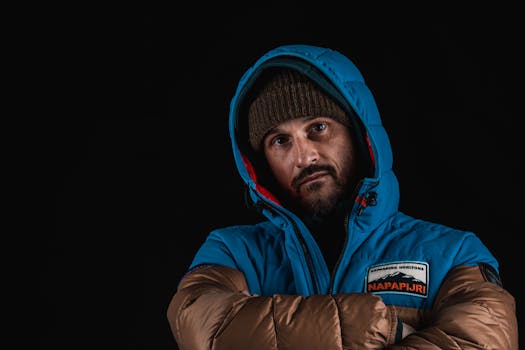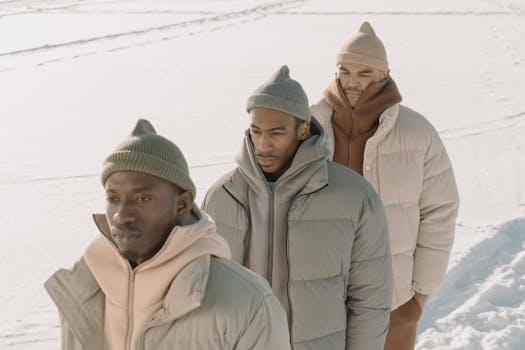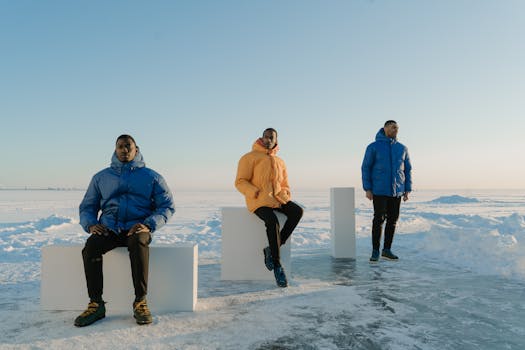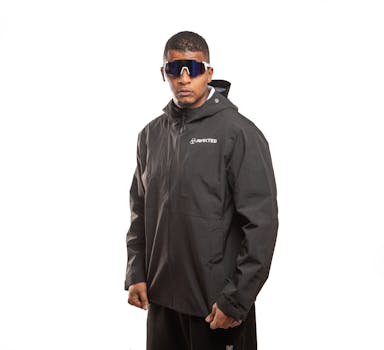
Winter outerwear has certainly come a long way from its early 20th-century roots, evolving not only in style but in function, reflecting broader societal changes and technological advancements. Let's delve deeper into how each decade influenced today's winter fashion, making our cold-weather gear not only necessary but a fashion statement in its own right.
Early 20th Century: Function Over Fashion
At the turn of the 20th century, winter outerwear was predominantly about warmth and durability, driven by the lack of central heating and the necessity of outdoor travel. Materials like wool, fur, and leather were common, with designs that often included heavy, long coats for men and more accommodating styles for women to fit over large skirts.
.png)
1920s-1930s: The Rise of Practical Elegance
The Roaring Twenties introduced more practical yet elegant outerwear. The invention of the zipper made garments easier to wear and more functional. The car coat, a significant innovation of this era, reflected the growing popularity of automobiles, requiring a more streamlined form of outerwear that was easier to wear in the confined spaces of vehicle interiors.
1940s: Wartime Efficiency
During World War II, outerwear took on a utilitarian approach. The fashion of the time was heavily influenced by military needs, which included durable materials and functional designs like large pockets and belted waists. The trench coat, originally a military garment, became a civilian fashion staple during this era due to its practicality and timeless style.
1950s: A Technological and Fashionable Turn
Post-war affluence in the 1950s spurred innovation in both materials and design. Synthetic fibers like nylon and polyester became popular, providing new levels of waterproofing and durability. The puffer jacket, initially invented in the 1930s, gained a fashion foothold in the 1950s, offering a new silhouette and improved warmth with its down or synthetic filler.
1960s-1970s: Fashion Freedom
The cultural revolution of the 1960s and 1970s saw a significant shift towards more relaxed and expressive styles. Outerwear became a canvas for personal expression, featuring bold colors and patterns. The parka, adapted from Inuit clothing, emerged as a fashion icon during this time with its distinctive fur-lined hood and roomy design.
1980s-1990s: Brand Dominance and Technical Innovations
The rise of designer brands and outdoor sports influences made outerwear a status symbol. Technical advancements led to the creation of garments that were not only fashionable but provided enhanced protection against extreme weather, with features like breathability, waterproofing, and superior insulation.
2000s: Sleek Designs and Eco-Awareness
The new millennium welcomed a blend of style and functionality with a growing emphasis on environmental sustainability. Outerwear designs became more fitted and flattering, yet did not compromise on protection and warmth. The industry also saw a rise in the use of eco-friendly materials, reflecting a shift towards more sustainable fashion practices.
Today: Smart Textiles and Inclusivity
Currently, the focus in outerwear is on smart textiles that offer temperature regulation, advanced waterproofing, and multi-functional design, suitable for both urban and wilderness environments. The industry prioritizes inclusivity and sustainability, championing garments that cater to diverse body types and advocating for reduced environmental impact.
Looking Ahead
The future of winter outerwear seems poised for further innovation, particularly in enhancing sustainability and integrating smart technology. As we continue to face climate challenges, the evolution of outerwear will likely focus on adaptability and eco-friendly practices, ensuring that fashion remains both functional and conscientious.
In examining the historical shifts in winter outerwear, it becomes evident that our jackets and coats are more than mere necessities; they are a reflection of our changing world, technological advancements, and cultural shifts, all woven into the fabric of our daily lives.