Seasonal Clothing Collections: Behind the Scenes
When the seasons change, so do the trends in fashion. Twice a year, fashion enthusiasts and the general public alike are treated to new collections that define what will be worn in the upcoming months. But what goes on behind the scenes of these seasonal clothing collections? From conceptualization to the runway, the process is intricate, involving a myriad of professionals and an immense amount of creativity and logistic planning.
The Conceptual Phase
.png)
The journey of a seasonal clothing collection begins with the conceptual phase. This is where the creative director or head designer of a fashion brand sets the tone and theme of the collection. Inspiration can come from anywhere - historical eras, films, a piece of art, or even a concept like sustainability. This stage is crucial because it sets the groundwork for all the designs that will follow.
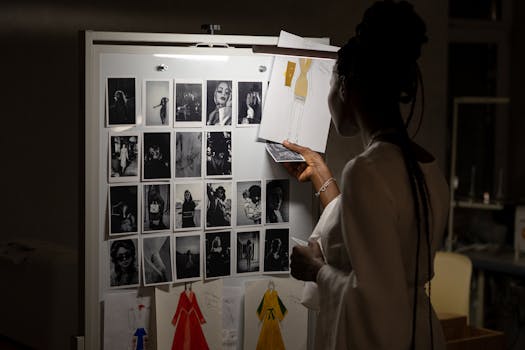
Designers spend months researching and developing their ideas. Mood boards are created, filled with fabric swatches, color palettes, sketches, and images that capture the essence of the proposed collection. This visual and material collage helps unify the team’s vision, ensuring consistency across the entire collection.
Design and Development
Once the theme is set, designers begin sketching the individual pieces. This is a creative process where initial ideas are transformed into tangible designs. It involves choosing fabrics, colors, and details like buttons and zippers. Sustainability is increasingly becoming a priority, with designers opting for eco-friendly materials and production methods.
After sketches, prototypes or "toiles" are made, usually sewn from cheaper materials. These prototypes are tested on models to see how they look in three dimensions and to make necessary adjustments to the fit and style.
Sourcing and Production
With finalized designs, the next step is sourcing the right materials. Fabric plays a huge role in how the final product will look and feel, and choosing the right supplier is key. This phase can be challenging as it involves a balance between cost, quality, and ethical practices.
Once materials are sourced, production begins. Depending on the size of the fashion house, clothes may be made in-house or outsourced to factories, often located overseas. The production process needs to be meticulously planned to ensure that every piece is made to standard and arrives on time for the launch.
Marketing and Public Relations
While the collection is being produced, the marketing team gears up to create a buzz. This includes everything from setting up photoshoots for the advertising campaigns to planning the runway show. Social media plays a huge role in today's fashion marketing strategies, with teasers and behind-the-scenes content being shared to build anticipation.
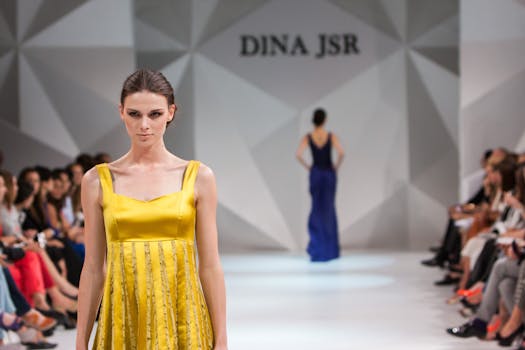
The choice of models and the location for the runway show are also strategic decisions. They must reflect the brand’s image and the theme of the collection. The show itself is an event that draws not just fashion insiders but also celebrities and media, making it a crucial platform for the collection’s success.
The Launch
The culmination of all this hard work is the launch of the collection. Typically aligned with major fashion weeks around the world like New York, Paris, or Milan, the runway show is a critical moment. It’s not just about showcasing the new designs; it’s an opportunity to set the trend for the season and get immediate feedback from fashion critics and the audience.
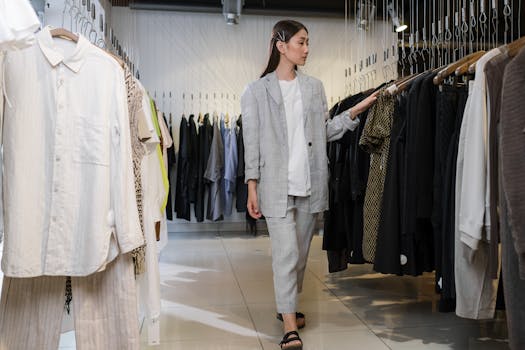
After the runway, the collection hits stores and online platforms. The sales phase is closely monitored as it provides valuable insights into consumer preferences and market trends, which in turn influence future collections.
Conclusion
Behind every seasonal clothing collection, there is a blend of artistic vision and rigorous industry process. From the drawing board to the runway, each step involves a high level of creativity and precision. Understanding this process not only gives us a deeper appreciation of the garments we wear but also highlights the fashion industry's complexity and dynamism. As consumers, this knowledge can also influence our fashion choices, encouraging us to think about the craftsmanship, ethics, and environmental impact of our clothing.