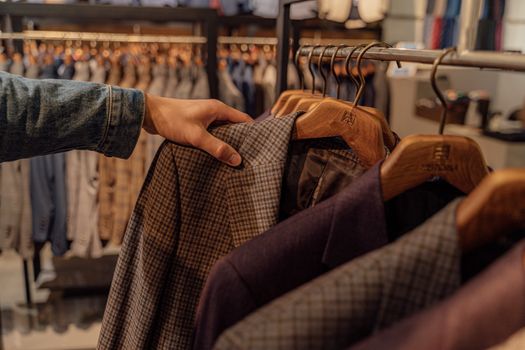
The fashion industry has always been a source of creativity and self-expression, but in recent decades, a new trend has taken center stage: fast fashion. This rapid-fire approach to clothing production has revolutionized wardrobes around the globe, making the latest styles accessible to everyone at an unprecedented pace and price. But beneath the glossy surface, fast fashion is leaving a significant and often overlooked mark on the environment. From mountains of textile waste to rivers polluted with toxic dyes, the true cost of those inexpensive garments is far higher than most shoppers realize. In this article, we break down the environmental impact of fast fashion, examine the data behind the industry’s practices, and explore what can be done to mitigate its effects.
What Is Fast Fashion and How Did It Rise?
Fast fashion refers to the mass production of cheap, trendy clothing that mimics the latest catwalk styles and moves rapidly from design to store shelves. Major brands like Zara, H&M, and Forever 21 pioneered this model in the late 1990s and early 2000s, shrinking the timeline for new collections from months to just a few weeks. Consumers now expect a constant churn of new styles, with some stores releasing new items multiple times a week.
The numbers are staggering: according to the United Nations Environment Programme, the world now consumes about 80 billion new pieces of clothing every year—up 400% from just two decades ago. This insatiable appetite is fueled by low prices, aggressive marketing, and the social media-driven desire to always wear something new. While fast fashion has democratized style, it has also unleashed a cascade of environmental consequences.
.png)
The Environmental Toll: Water, Waste, and Carbon
The process of making and distributing fast fashion clothing is resource-intensive at every stage. Consider the following facts:
- The fashion industry is responsible for approximately 10% of global carbon emissions—more than all international flights and maritime shipping combined. - Producing just one cotton shirt requires about 2,700 liters of water, enough to meet the drinking needs of one person for two and a half years. - The industry produces around 92 million tons of textile waste annually, much of which ends up in landfills or is incinerated.Let’s break these impacts down further:
1. $1: Textile dyeing is the second-largest polluter of water globally. Factories often discharge untreated wastewater containing dyes and chemicals into rivers. In countries like Bangladesh, home to thousands of garment factories, rivers have been found to run blue and red from textile dyes, affecting aquatic life and local communities. Cotton cultivation, a staple of fast fashion, consumes vast amounts of water and often relies on pesticides and fertilizers that contaminate water sources. 2. $1: Fast fashion’s carbon footprint comes from multiple sources—energy-intensive manufacturing, synthetic fiber production (such as polyester, derived from fossil fuels), and the shipping of garments across continents. The Ellen MacArthur Foundation estimates that if the industry continues on its current trajectory, it could account for a quarter of the world’s carbon budget by 2050. 3. $1: With trends changing rapidly, many garments are worn only a handful of times before being discarded. The average American throws away about 81 pounds of clothing each year. Globally, only 12% of materials used for clothing end up being recycled.Comparing Fast Fashion to Sustainable Fashion
To understand fast fashion’s impact, it’s helpful to compare it with more sustainable alternatives. Below is a comparative overview of key factors:
| Factor | Fast Fashion | Sustainable Fashion |
|---|---|---|
| Production Speed | 2-4 weeks from design to store | 2-6 months per collection |
| Average Garment Lifespan | 7-10 wears | 50+ wears |
| Water Usage (per garment) | Up to 2,700 liters (cotton shirt) | 30-90% less (organic/recycled) |
| Carbon Emissions | High (synthetics, global shipping) | Lower (local, eco-friendly materials) |
| Waste Generation | 92 million tons/year | Significantly less (recycling, upcycling) |
As shown, sustainable fashion focuses on quality over quantity, using eco-friendly materials, ethical labor practices, and designs meant to last. While often more expensive up front, these garments have a far smaller environmental footprint over their lifetime.
Microplastics and Synthetic Fibers: An Invisible Threat
One of the less visible, but highly damaging, consequences of fast fashion is the proliferation of synthetic fibers—like polyester, nylon, and acrylic. These materials account for over 60% of clothing produced today. While synthetic fibers are cheap and versatile, they are derived from petroleum and do not biodegrade.
A single load of laundry can release up to 700,000 microplastic fibers into the water supply. These microplastics are too small to be filtered out by wastewater treatment plants and end up in rivers, lakes, and oceans. Studies have found microplastics in 114 aquatic species, and researchers estimate that the average person ingests about 5 grams of microplastics each week—the equivalent of a credit card.
The environmental implications are alarming: microplastics disrupt marine ecosystems, accumulate in the food chain, and have been linked to a range of health concerns for both wildlife and humans.
Global Hotspots: Who Bears the Brunt?
The environmental impact of fast fashion is not evenly distributed. Most of the world’s clothing is produced in developing countries, where environmental regulations may be weak or poorly enforced. Bangladesh, Vietnam, China, and India are among the top exporters of garments.
In these regions, the combination of high demand, low production costs, and lack of oversight leads to severe environmental degradation:
- Rivers near textile factories in Dhaka, Bangladesh, are among the most polluted in the world due to wastewater discharge. - In China’s Xintang region, known as the “Jeans Capital of the World,” groundwater contamination from dyeing and finishing processes has made local water unsafe for drinking and agriculture. - Workers and local communities often suffer from exposure to toxic chemicals used in dyeing, bleaching, and finishing textiles.These environmental burdens are compounded by social challenges: low wages, long hours, and unsafe working conditions for garment workers. The true cost of a $5 t-shirt is paid not only by the planet, but by some of its most vulnerable people.
Steps Forward: Reducing Fast Fashion’s Impact
While the statistics are sobering, the fast fashion crisis is not irreversible. Several strategies—at both individual and systemic levels—can help mitigate environmental damage:
1. $1: Buying less, choosing quality over quantity, and supporting brands with transparent, sustainable practices can reduce demand for fast fashion. Extending the life of clothing by just nine months can reduce its carbon, water, and waste footprint by 20-30%. 2. $1: Currently, less than 1% of clothing is recycled into new garments. Expanding textile recycling programs and developing new technologies for fiber-to-fiber recycling are crucial steps forward. 3. $1: The circular economy model encourages designing clothes for durability, repair, and eventual recycling. Brands like Patagonia and Eileen Fisher have pioneered take-back and repair programs, creating closed-loop systems that keep textiles out of landfills. 4. $1: Governments can play a critical role by enforcing stricter environmental standards, incentivizing sustainable manufacturing, and holding brands accountable for their supply chains. 5. $1: The rise of sustainable materials—such as organic cotton, hemp, lyocell, and recycled polyester—can significantly reduce resource consumption and pollution. The adoption of biodegradable fabrics and waterless dyeing technologies offers promising alternatives.Conclusion
Fast fashion has transformed how and how often we buy clothes, but its environmental price tag is unsustainable. From excessive water use and carbon emissions to the proliferation of microplastics and textile waste, the industry’s current trajectory threatens the health of the planet and its people. However, growing awareness, technological innovation, and a shift in consumer behavior offer hope for a more sustainable future. By understanding the true costs of our clothing choices, we can all play a role in transforming fashion from a source of waste into a force for environmental stewardship.