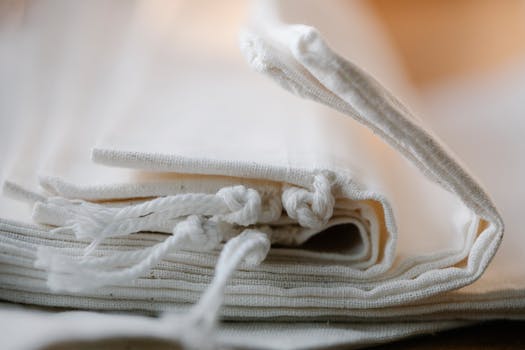
The importance of textiles in sustainable fashion is increasingly recognized as crucial to the broader goals of reducing environmental damage and promoting ethical consumption practices. Textiles serve as the building blocks of the fashion industry, shaping everything from the aesthetics to the functionality of clothing. However, the environmental footprint left by textile production is substantial, prompting a shift towards more sustainable practices and materials.
The Environmental Impact of Traditional Textiles
Traditional textile production processes, involving both natural and synthetic fibers, pose significant environmental challenges. Natural fibers like conventional cotton require intensive water usage and chemical inputs such as pesticides and fertilizers, which can lead to soil degradation and water contamination. Synthetic fibers, like polyester, are petroleum-based and contribute to the depletion of non-renewable resources. They also pose problems at the end of their lifecycle, often ending up in landfills where they do not biodegrade, or releasing microplastics into water systems during washing.
.png)
Advantages of Sustainable Textiles
Sustainable textiles offer numerous environmental benefits over conventional materials:
- Reduced Resource Consumption: Sustainable fibers often require less water and energy to produce. For instance, organic cotton uses water more efficiently compared to conventional cotton, and hemp requires minimal water and no pesticides.
- Decreased Pollution: By avoiding or significantly reducing the use of harmful chemicals, sustainable textiles help prevent pollution of the earth's water and soil. Organic farming practices also support healthier ecosystems and soil which, in turn, support more diverse wildlife.
- Enhanced Biodiversity: Sustainable textile farming encourages practices that maintain soil fertility and plant diversity, which are crucial for healthy agricultural systems.
Challenges in the Adoption of Sustainable Textiles
Despite their benefits, sustainable textiles face several challenges that hinder their widespread adoption:
- Cost: Sustainable textiles can be more expensive due to the more labor-intensive agricultural practices and smaller scale of production, which may not benefit from the economies of scale enjoyed by conventional materials.
- Performance and Durability: Some sustainable fabrics may not yet match the durability and functionality of their synthetic counterparts. Continuous research and innovation are essential to enhance the quality of sustainable textiles.
Innovations and Consumer Influence
The fashion industry is experimenting with various innovative materials to overcome these challenges. Recycled polyester, made from recycled plastics, is one example that helps reduce waste and resource consumption. Another is Tencel, derived from sustainably sourced wood pulp, which is notable for its environmentally responsible production process.
Consumers have a significant role to play in the expansion of sustainable fashion. Demand for sustainable products encourages brands to prioritize eco-friendly practices and materials. Consumer advocacy for transparency and sustainability can propel industry-wide changes.
Educational Efforts and Future Directions
Educating consumers about the impacts of their fashion choices is vital for the growth of sustainable fashion. Informational campaigns and resources can help consumers make informed decisions, driving the industry toward more sustainable practices.
In conclusion, textiles are a fundamental aspect of sustainable fashion, with the potential to significantly influence environmental outcomes. By choosing sustainable textiles and supporting transparent, responsible brands, consumers can make a real difference in promoting a more sustainable fashion industry. As the sector continues to evolve, ongoing innovation and consumer engagement will be key to overcoming challenges and realizing the full potential of sustainable textiles.