The fashion industry is a dynamic and ever-evolving field where the journey of clothing from runway to retail is as fascinating as it is complex. This process, which spans several months and involves a myriad of steps, ensures that the glamorous ensembles seen on the fashion week runways make their way into our wardrobes. Understanding this journey gives us insight into how fashion trends are born and how they reach the consumer market.
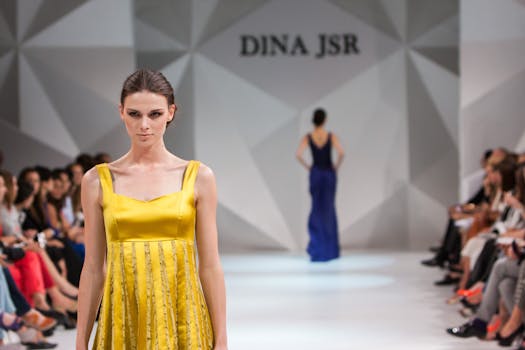
The journey begins at the fashion shows, typically part of the major fashion weeks held in cities like New York, Paris, Milan, and London. Here, designers present their latest collections for the upcoming season to an audience of industry insiders, including buyers, journalists, and influencers. These events are not just about showcasing new styles; they also set the tone for the season’s trends and influence what will be available in retail stores.
Once the runway shows are over, the next step is the selection process by retail buyers. Buyers from fashion retailers visit showrooms or meet with designers to view collections and make selections. This decision-making process is crucial as it determines which designs will be mass-produced and available to the public. Buyers must forecast which trends will appeal to their target market and make purchasing decisions based on this insight.
.png)
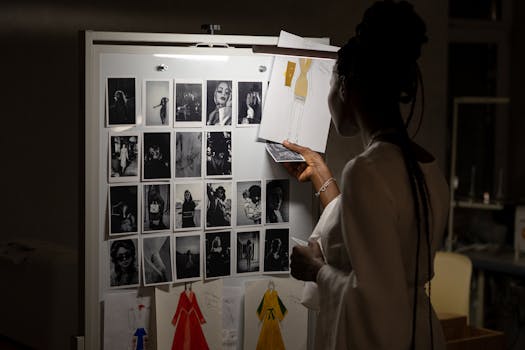
After the selection, the production phase begins. This involves detailed planning and coordination to ensure that the designs can be manufactured in larger quantities. The production process often requires collaboration between designers and factories to refine the designs to be suitable for mass production. This might mean altering fabrics, adjusting details, or simplifying designs to meet cost, quality, and scalability requirements.
Quality control is an essential part of the production process. Each piece must be inspected to ensure it meets the standards set by the brand and is consistent with the designer’s original vision. This stage is critical to maintaining the brand’s reputation for quality and ensuring customer satisfaction.
Once the clothes are manufactured, the distribution process starts. This involves logistics of shipping the garments from factories to warehouses and then to retail stores. Timing is crucial in this phase to ensure that the clothing arrives in stores well before the season begins. Retailers also need to coordinate their marketing campaigns with the launch of the new collections to maximize sales.
Marketing plays a pivotal role in the journey from runway to retail. As the clothes make their way to stores, brands launch marketing campaigns that often include advertisements, social media promotions, and collaborations with influencers. These efforts are designed to create buzz and demand for the new collections, aligning with the initial excitement generated at the fashion shows.
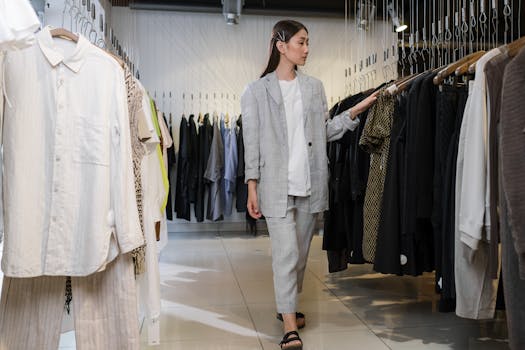
Finally, the retail phase is where consumers interact with the collections. The in-store presentation and the overall retail experience play significant roles in influencing purchasing decisions. Retail staff must be well-informed about the latest trends and collection stories to effectively communicate with customers and enhance their shopping experience.
The journey from runway to retail is not just about logistics and marketing; it's also about translation. It involves translating the artistic vision of the designer into something that is accessible and desirable to the everyday consumer. This process is a delicate balance of maintaining the essence of the original designs while making them practical and affordable for the market.
In conclusion, the journey from runway to retail for seasonal clothing collections is a comprehensive process that involves creativity, forecasting, production, quality control, logistics, marketing, and retail strategy. Each step is interconnected and vital to the success of the final product in the consumer market. Understanding this journey helps consumers appreciate the effort and complexity behind the clothing they wear and encourages a more informed perspective on fashion consumption.