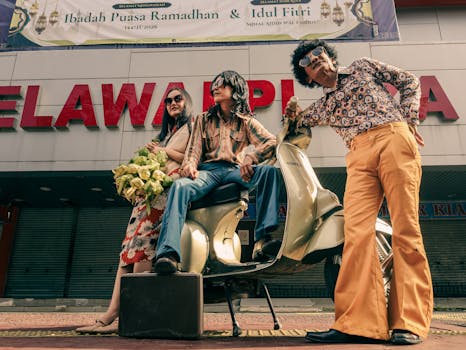
The Revival of Vintage Trends in Modern Fashion: Exploring the Past to Shape the Present
The world of fashion is an ever-turning wheel, with trends reemerging, evolving, and sometimes circling back to their roots. In recent years, the revival of vintage trends has taken the industry by storm, captivating designers, celebrities, and everyday style enthusiasts alike. But what’s fueling this return to the past, and how is it influencing the way we dress today? This article delves deep into the phenomenon of vintage revival, examining the cultural, economic, and technological forces at play, and illustrating how yesterday’s icons are shaping tomorrow’s wardrobes.
Understanding Vintage: What Makes a Trend “Vintage”?
The term "vintage" is often used loosely, but in the realm of fashion, it generally refers to garments and accessories from a previous era—usually 20 years old or older. According to the Vintage Fashion Guild, clothing from the 1920s to the early 2000s can be classified as vintage, while items more than 100 years old are considered antique. The allure of vintage lies in its uniqueness, craftsmanship, and nostalgic appeal.
.png)
Recent data from ThredUp, a leading online thrift store, highlights that the secondhand apparel market—which includes vintage—grew by 28% in 2022 and is projected to reach $82 billion by 2026. This surge is not just about sustainability; it’s about the desire for individuality in an age of fast fashion and mass production. Vintage pieces offer distinct silhouettes, fabrics, and details that stand out in a crowd of contemporary looks.
Key Decades Making a Comeback
Not all vintage trends are created equal. Certain eras resonate more strongly with today’s designers and consumers. Here’s a closer look at some of the most influential decades making their mark on modern fashion:
1920s: The Roaring Twenties introduced flapper dresses, feathered accessories, and art deco patterns. The 2022 Met Gala, themed “Gilded Glamour,” saw celebrities donning sequined gowns and beaded headpieces reminiscent of this lavish era.
1970s: Bell-bottoms, wide lapels, and psychedelic prints are everywhere once again. Search data from Pinterest shows a 70% year-over-year increase in searches for “70s fashion” in 2023.
1990s: The ‘90s comeback is perhaps the most visible, with slip dresses, combat boots, and oversized denim jackets dominating streetwear. Even iconic brands like Tommy Hilfiger and Calvin Klein have reissued collections inspired by their 1990s archives.
2000s: Y2K fashion, characterized by low-rise jeans, crop tops, and metallic fabrics, has found new life among Gen Z shoppers. TikTok videos tagged #Y2Kfashion have surpassed 1.5 billion views.
| Decade | Signature Styles | Modern Examples |
|---|---|---|
| 1920s | Flapper dresses, art deco, beadwork | Beaded evening gowns, feather hairpieces |
| 1970s | Bell-bottoms, tie-dye, platform shoes | Wide-legged pants, retro sneakers |
| 1990s | Slip dresses, grunge, oversized denim | Combat boots, baggy jeans, chokers |
| 2000s | Low-rise jeans, shiny fabrics, logos | Mini bags, metallic jackets, logo-heavy tees |
The Role of Pop Culture and Social Media
Pop culture has always played a pivotal role in popularizing vintage trends, but today’s digital landscape amplifies their reach like never before. Streaming platforms have revived shows set in past decades—think "Stranger Things" (1980s) and "The Queen’s Gambit" (1960s)—sparking renewed interest in the clothing of those periods. The wardrobe of "Stranger Things" led to a 42% increase in sales of ‘80s-style graphic tees and athletic shorts on eBay during its latest season.
Social media platforms like Instagram, TikTok, and Pinterest have democratized fashion inspiration. Influencers and everyday users share thrift hauls, recreate iconic celebrity looks, and participate in hashtag challenges such as #ThriftFlip or #VintageFinds. In 2023, TikTok reported over 4 billion views for vintage fashion-related tags, highlighting how digital communities are driving the trend.
Celebrities, too, play a significant role. Zendaya’s penchant for archival Versace gowns or Harry Styles’ love for flamboyant ‘70s suits not only make headlines but also inspire mass-market retailers to create affordable interpretations.
Why Vintage Revival Resonates Now: Cultural and Economic Drivers
Several factors explain why vintage trends are resonating so powerfully in the 2020s:
Sustainability: The fashion industry accounts for 10% of global carbon emissions, according to the United Nations Environment Programme. Vintage shopping is inherently sustainable—buying secondhand clothing extends the life cycle of garments and reduces waste. In a 2023 survey by GlobalData, 43% of consumers said environmental concerns motivated their interest in vintage and secondhand fashion.
Economic Value: Vintage fashion offers affordability and potential investment value. Iconic pieces, such as original Levi’s 501 jeans from the 1970s, have fetched thousands of dollars at auction. Meanwhile, thrift stores and online platforms make vintage finds accessible for a fraction of the price of new designer wear.
Individuality: In a world saturated with fast fashion, vintage allows wearers to express their personality and creativity. Each piece carries a story, making it unlikely that someone else will own the same item.
Nostalgia: In uncertain times, nostalgia is a comfort. Wearing styles from a beloved era can evoke memories, connect generations, or simply transport us to a perceived “simpler” time.
How Technology Is Shaping the Vintage Fashion Market
The digital transformation of fashion retail has been a game-changer for vintage style. Once relegated to dusty thrift shops or exclusive boutiques, vintage clothing is now just a click away.
Online Marketplaces: Platforms like Depop, Etsy, and Poshmark have revolutionized how people buy and sell vintage. In 2022, Depop reported over 30 million users globally, with vintage items accounting for nearly 60% of its total sales.
AI and Authentication: Artificial intelligence is being used to verify the authenticity and age of vintage garments. Startups are developing algorithms that analyze stitching, fabric, and labels to prevent counterfeiting—a growing issue as demand for vintage designer items increases.
Virtual Try-Ons: Augmented reality (AR) apps allow shoppers to see how vintage pieces look on them before buying. According to Statista, the global AR in retail market is projected to reach $12 billion by 2027, making this technology increasingly mainstream.
Modern Designers and Brands Championing Vintage Revival
The runway is often where vintage revival gets its first big push. Leading fashion houses are diving into their archives for inspiration, while emerging designers reinterpret classic silhouettes with a modern twist.
Gucci: Creative Director Alessandro Michele is known for his eclectic, retro-inspired collections, often referencing the 1970s and 1980s. Gucci’s “Ouverture” collection in 2021 was lauded for its vintage sensibility.
Miu Miu: The brand’s upcycled collection features reworked vintage pieces, blending sustainability with high fashion. In 2022, Miu Miu’s “Upcycled” line sold out within days of launch.
Levi’s: The denim giant regularly reissues classic designs, such as the 501 Original Fit jeans, based on archival patterns. They also collaborate with vintage resellers to curate exclusive collections.
Independent Labels: Brands like Reformation and Beyond Retro specialize in vintage-inspired and upcycled clothing, targeting younger consumers who want both style and sustainability.
Challenges and Critiques of the Vintage Fashion Boom
While the revival of vintage trends is largely celebrated, it’s not without its challenges or criticisms:
Accessibility: As demand increases, prices for authentic vintage items have surged, making some pieces less accessible to the average shopper.
Quality Concerns: Not all vintage clothing is created equal. Some items may be fragile or require special care, presenting a barrier for everyday use.
Cultural Sensitivity: Reviving trends from previous eras sometimes raises questions about cultural appropriation or the romanticizing of problematic histories. Designers and consumers alike are called on to approach vintage revival with awareness and respect.
Counterfeiting: The popularity of vintage designer items has led to a rise in high-quality fakes. Authentication services and buyer education are more important than ever.
Looking Ahead: The Future of Vintage in Modern Fashion
The momentum behind vintage revival shows no sign of slowing down. Gen Z and Millennials—who together represented 62% of global secondhand sales in 2023—are expected to further drive demand for unique, sustainable, and expressive fashion choices. Technology will continue to make vintage both more accessible and more secure for buyers and sellers.
Meanwhile, fashion’s cyclical nature ensures that as some trends fade, others will return. The future will likely see even more cross-pollination between eras, with innovative remixes of classic and contemporary styles. The embrace of vintage isn’t just a passing fad—it’s a meaningful shift toward mindful consumption, creative self-expression, and a celebration of fashion’s rich history.