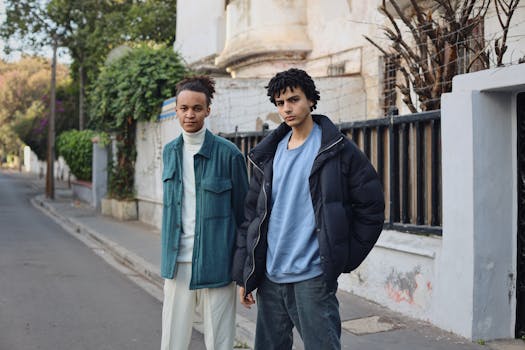
Street style has long been a dynamic force in shaping the global landscape of fashion. Nowhere is this more evident than in the evolving world of jackets. As the lines between high fashion, everyday wear, and cultural expression blur, the sidewalks of cities like New York, Tokyo, London, and Paris have become runways in their own right. Here, the choices of ordinary people influence the direction of designers and major brands, sparking new jacket trends that ripple out to retailers and eventually closets worldwide. But what does this influence really look like in practice, and why has street style become such a powerful engine for sartorial innovation? Let’s explore the intricate relationship between street style and jacket trends, looking at the mechanisms, impact, and future of this ever-evolving fashion phenomenon.
How Street Style Became a Fashion Powerhouse
Street style’s journey from subculture to mainstream influence is a remarkable story. In the early 2000s, street photographers like Scott Schuman (The Sartorialist) and Tommy Ton began capturing candid snapshots of people on the streets during major fashion weeks. These photos, rapidly shared online, showcased creative, unfiltered personal style that contrasted sharply with the more curated looks seen on the runway.
By 2010, street style had become a global movement. Social media platforms like Instagram, which launched in 2010, and Pinterest, made it easy for millions to see and share street looks instantly. According to a 2022 McKinsey report, 62% of Gen Z consumers say they are more influenced by street style and their peers than by traditional runway shows. This democratization of fashion has elevated the voices of everyday people, transforming street style into a powerful trendsetting engine—especially for outerwear, where jackets are a canvas for personal expression.
.png)
Street Style’s Impact on Jacket Silhouettes and Materials
One of the clearest ways street style influences jacket trends is through the adoption and adaptation of silhouettes and materials. For example, the oversized bomber jacket—once the domain of military wear—was popularized by streetwear enthusiasts in Tokyo’s Harajuku district and quickly adopted by hip-hop artists in the US. By 2016, global brands like Vetements and Balenciaga reinterpreted the look for the luxury market, and the style trickled down to fast fashion retailers worldwide.
Material trends also emerge from the streets. In the late 2010s, vegan leather and recycled polyester jackets gained traction in urban centers concerned with sustainability. The 2023 Global Fashion Agenda report notes that over 35% of jacket sales in leading cities now involve eco-friendly materials, a shift largely credited to the visible choices of influential street style figures.
Subcultures and the Rise of Iconic Jacket Styles
Street style is deeply rooted in subcultural identity. From punk’s rebellious leather jackets in 1970s London to the varsity jackets of 1990s American hip-hop, subcultures use jackets to signal belonging and attitude. These grassroots trends often precede mainstream adoption by several years.
Consider the puffer jacket: once a staple of mountaineers and outdoor enthusiasts, it was adopted by hip-hop artists in the 1990s and 2000s, notably in New York City. The distinctive silhouette, often in bold colors, became a street style staple before luxury brands like Moncler and Balenciaga brought high-fashion iterations to the runway. Today, puffer jackets are a global winter essential, with Statista reporting that over 56 million units were sold worldwide in 2022 alone.
The following table compares key jacket styles and their origins in street subcultures:
| Jacket Style | Street Subculture Origin | Year of Mainstream Adoption | Signature Features |
|---|---|---|---|
| Biker Leather Jacket | Punk (London, 1970s) | 1980s | Black leather, metal hardware, cropped fit |
| Bomber Jacket | Hip-Hop (NYC, 1980s) | 1990s | Ribbed cuffs, nylon shell, patches |
| Puffer Jacket | Urban Streetwear (NYC, 1990s) | 2010s | Quilted design, synthetic fill, bright colors |
| Varsity Jacket | Hip-Hop & Skater (LA/NYC, 1990s) | 2000s | Wool body, leather sleeves, chenille patches |
| Trench Coat | Mod & Indie (London, 1960s) | 1970s | Double-breasted, belted waist, epaulets |
The Social Media Multiplier: How Digital Platforms Accelerate Jacket Trends
Social media has supercharged the spread of street style influences. Platforms like Instagram and TikTok have made it possible for a single jacket style—whether a bold color-blocked windbreaker or a vintage-inspired denim jacket—to gain viral popularity overnight. Influencers and micro-influencers, many of whom are not professional models, showcase unique ways to style jackets, making these trends feel accessible and replicable.
A 2023 Statista survey found that 49% of consumers aged 18-34 discover new jacket styles via Instagram, while 42% are influenced by TikTok creators. Hashtags such as #streetstyle, #jacketseason, and #OOTD (Outfit of the Day) often trend during transitional seasons, propelling certain jackets into the fashion spotlight. The digital multiplier effect means that what starts as a local street trend in Seoul or Berlin can become a global phenomenon in a matter of weeks.
Gender Fluidity and Breaking Traditional Jacket Norms
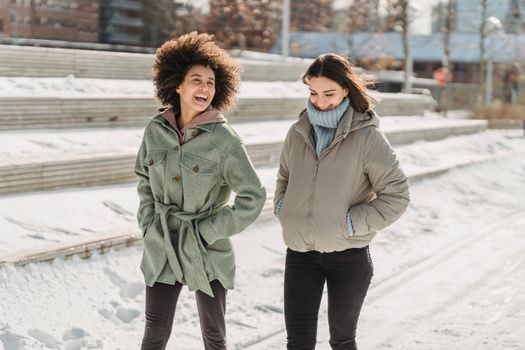
Street style’s embrace of gender fluidity has led to the breakdown of traditional jacket norms. Unisex and gender-neutral jackets are now common sights in fashion-forward cities. Oversized blazers, utility jackets, and even tailored trenches are frequently styled in ways that blur gender lines.
Major retailers have responded: according to a 2023 Business of Fashion report, sales of unisex outerwear grew by 18% year-over-year from 2022-2023. This trend reflects a broader cultural shift, championed by street style icons who defy conventional fashion rules. For example, the “shacket” (shirt-jacket hybrid) is popular across all genders and has become a staple in street style wardrobes from Stockholm to Sydney.
Regional Differences: Local Street Style and Global Jacket Trends
While some jacket trends achieve global reach, many others remain deeply regional, reflecting distinct local cultures and climates. In Tokyo, techwear-inspired jackets with multiple pockets and waterproof fabrics dominate the streets, a nod to both function and futuristic aesthetics. In contrast, Parisian street style often elevates classic trench coats and structured blazers, while New Yorkers favor bold statement pieces like graphic varsity jackets or color-blocked puffers.
These regional preferences often inform global trends. For instance, the “Gorpcore” movement—centered around functional, outdoorsy jackets—originated in US cities but quickly found fans in Seoul and London. Retailers now tailor their jacket offerings to reflect both international trends and local tastes, leading to a more diverse and inclusive fashion market.
Why Street Style Will Continue to Shape Jacket Trends
The enduring power of street style lies in its spontaneity and authenticity. Unlike runway fashion, which is planned months in advance, street style is immediate, reactive, and deeply personal. The fusion of social media, global cultural exchange, and the growing importance of self-expression means that the world’s sidewalks will remain an endless source of inspiration for jacket trends.
Designers now actively seek inspiration from the street, often attending fashion weeks not just for runway shows, but to observe what attendees and locals are wearing. Brands like Supreme, Off-White, and Stüssy—each with roots in street culture—are now global leaders in outerwear design, proving that the street is not just influencing fashion, but defining it.