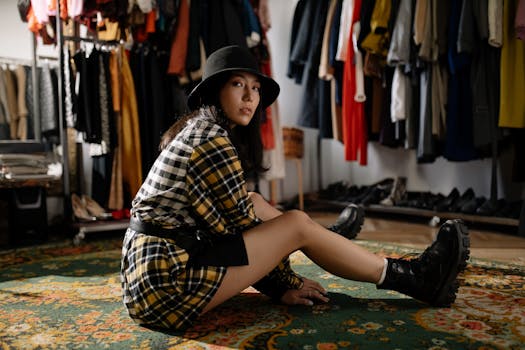
The Revival of Vintage Styles in Seasonal Clothing: A Modern Fashion Renaissance
The fashion world is in the midst of a remarkable renaissance. As trends cycle faster than ever and consumer consciousness shifts toward sustainability, the revival of vintage styles in seasonal clothing has become one of the most influential movements of the past decade. From the resurgence of 1970s flares in spring wardrobes to the return of 1990s puffer jackets for winter, vintage-inspired clothing is shaping how designers, brands, and everyday people approach dressing for the seasons. But why are these retro looks returning, and what impact are they having on both the industry and our closets? Let’s explore the multifaceted revival of vintage styles in seasonal clothing and discover what’s driving this modern fashion phenomenon.
The Allure of Vintage: More Than Nostalgia
The revival of vintage styles goes beyond mere nostalgia. While the charm of bygone eras certainly plays a role, several factors contribute to the enduring appeal of retro-inspired clothing in today’s seasonal collections.
First, vintage styles offer a sense of individuality and authenticity. In a digital world saturated with fast fashion and mass-produced garments, consumers crave pieces that help them stand out. According to a 2023 ThredUP report, 41% of Gen Z shoppers cite “uniqueness” as a key reason for purchasing vintage or vintage-inspired clothing.
.png)
Second, vintage clothing often boasts superior craftsmanship and quality materials, especially compared to some modern fast fashion offerings. This focus on durability aligns with the growing movement toward sustainable fashion, where buying less but buying better is a core mantra.
Finally, vintage revivals allow brands and designers to take inspiration from proven silhouettes, colors, and details—blending the best of past and present. The cyclical nature of fashion means that what was once old is made new again, but with updated fabrics, fits, and styling.
Seasonal Cycles: How Vintage Shapes Spring, Summer, Fall, and Winter
Vintage revivals manifest differently in each season, with designers drawing from distinct eras to inspire their collections. Let’s take a closer look at how vintage influences seasonal wardrobes:
Spring: Florals, pastels, and feminine silhouettes reminiscent of the 1950s and 1970s often bloom in spring collections. Think tea dresses, Peter Pan collars, and embroidered cardigans. For example, the 2024 spring runways saw a 33% increase in vintage-inspired floral prints compared to the previous year (WGSN, 2024).
Summer: The carefree spirit of the 1960s and 1990s shines in summer wear. High-waisted shorts, crochet tops, and bucket hats—once mainstays of youth culture—are back in style. Retro swimwear, such as belted one-pieces and high-cut bikinis, has also gained popularity, with sales of vintage swim styles up by 22% in 2023 (Statista).
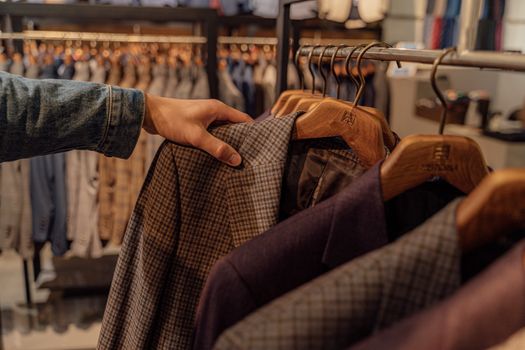
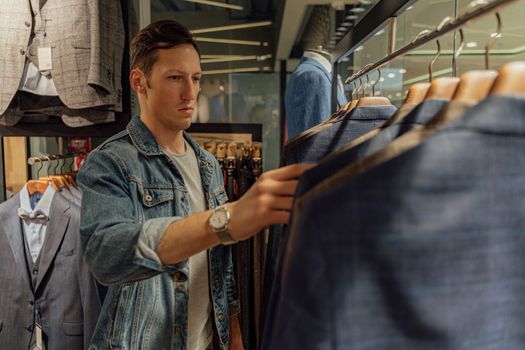
Fall: As temperatures drop, designers often reach for the rich textures and earthy palettes of the 1970s and 1980s. Corduroy trousers, plaid blazers, and oversized knit sweaters are seasonal staples with a vintage twist. The rise in upcycled fashion has also brought patchwork and denim-on-denim looks back into the autumn spotlight.
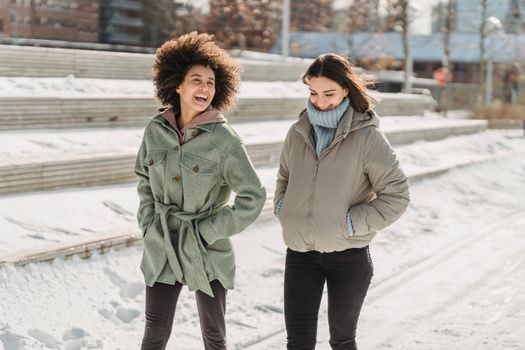
Winter: For cold-weather dressing, the 1990s and early 2000s are especially influential—think puffer jackets, fleece pullovers, and statement scarves. Vintage-inspired outerwear, like shearling coats and faux fur collars, experienced a 40% year-over-year sales increase in 2023 (NPD Group).
Key Vintage Eras and Their Signature Styles
Each era of fashion history offers distinctive silhouettes and details that continue to shape seasonal clothing. Here’s a comparative overview of how key decades influence modern collections:
| Era | Signature Styles | Modern Seasonal Adaptation |
|---|---|---|
| 1950s | Full skirts, nipped waists, pastel cardigans | Spring tea dresses, cropped cardis, swing coats |
| 1970s | Flares, corduroy, bohemian prints | Fall cord trousers, floral blouses, suede jackets |
| 1980s | Oversized blazers, power shoulders, neon colors | Fall layering, statement knitwear, bold accessories |
| 1990s | Puffer jackets, slip dresses, grunge flannels | Winter puffers, plaid shirts, layered looks |
| 2000s | Velour tracksuits, low-rise jeans, cargo pants | Winter athleisure, cargo outerwear, Y2K accessories |
This table illustrates not only the cyclical nature of fashion but also how specific vintage trends are tailored to each season’s needs—balancing nostalgic flair with functional updates.
The Role of Pop Culture and Media in Vintage Revivals
Pop culture plays a pivotal role in the resurgence of vintage styles. Iconic television shows and films regularly inspire new generations to adopt retro looks, while celebrity influence can spark viral trends almost overnight.
For example, the global success of Netflix’s “Stranger Things” (set in the 1980s) fueled a renewed interest in high-waisted jeans, graphic tees, and varsity jackets. Similarly, period dramas like “The Crown” and “Mad Men” brought back tailored coats, pencil skirts, and classic accessories—impacting both designer collections and high street retailers.
Music is another driving force. Artists such as Harry Styles are known for their gender-fluid, vintage-inspired wardrobes, often channeling 1970s glam rock and bohemian chic. According to Lyst’s 2023 Year in Fashion report, searches for “retro suits” increased by 120% after Styles’ prominent red carpet appearances.
Social media platforms like Instagram and TikTok accelerate the adoption of vintage trends. Hashtags such as #vintagefashion and #thriftedoutfit have garnered billions of views, inspiring users to recreate and reinterpret styles from the past. In fact, in 2023, Depop reported that 65% of its users under age 25 regularly searched for vintage or vintage-inspired clothing.
Sustainability and the Secondhand Surge
One of the most significant drivers behind the revival of vintage styles is the growing emphasis on sustainability. The environmental cost of fast fashion—including the production of 92 million tons of textile waste annually (Ellen MacArthur Foundation)—has prompted consumers to seek eco-friendlier alternatives. Vintage clothing not only reduces waste but also extends the lifecycle of garments, making it a responsible choice for environmentally minded shoppers.
Secondhand marketplaces have experienced explosive growth as a result. According to ThredUP, the global secondhand market is expected to reach $350 billion by 2027, up from $177 billion in 2022. Vintage items account for a substantial portion of these sales, particularly in categories like outerwear and denim.
Brands are responding by launching vintage-inspired capsule collections, collaborating with archives, and even reselling their own past designs—a practice known as “re-commerce.” For example, Levi’s SecondHand and Gucci Vault are dedicated platforms for pre-owned and vintage items, meeting growing consumer demand for sustainable, one-of-a-kind fashion.
Personal Expression and the DIY Movement
The revival of vintage styles isn’t just about buying retro-inspired pieces—it’s also about personalization and creativity. Many fashion enthusiasts are embracing DIY culture, upcycling old garments or customizing secondhand finds to reflect their individual tastes.
This hands-on approach is facilitated by the wealth of online tutorials for patching, embroidering, dyeing, and altering clothing. According to Pinterest, searches for “DIY vintage clothing” increased by 80% in 2023. Community events like clothing swaps and repair cafes are also gaining traction, helping people develop new skills while reducing waste.
For many, this movement represents a return to slower, more mindful fashion. Rather than chasing fleeting trends, individuals can curate a wardrobe that feels authentic, sustainable, and uniquely their own.
Final Reflections: Why Vintage Styles Are Here to Stay
The revival of vintage styles in seasonal clothing is more than a fleeting trend—it’s a testament to fashion’s capacity for reinvention, sustainability, and self-expression. From the runways of Paris to the racks of thrift stores, vintage influences are shaping how we dress for every season. The movement is propelled by a desire for uniqueness, a commitment to environmental responsibility, and the creative possibilities of blending past with present.
As we look ahead, expect vintage-inspired styles to become even more sophisticated and accessible. Whether you’re drawn to the elegance of the 1950s, the bohemian spirit of the 1970s, or the playful nostalgia of the 1990s, there’s never been a better time to experiment with retro fashion—and make it your own.