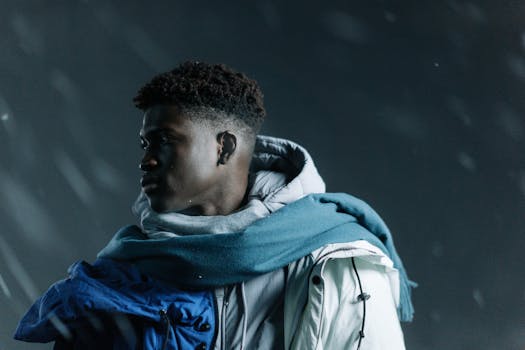
The fashion industry, known for its dynamic nature, continuously adapts to various external factors, including economic shifts, cultural changes, and notably, climatic variations. Among the myriad of apparel items influenced by weather patterns, jackets stand out as a particularly interesting category to explore. This article delves into how climate influences fashion jacket trends, offering insights into the evolving demands and creative responses of the fashion world.
Climate change has become a pressing global issue, and its impact on the fashion industry is profound. As temperatures fluctuate, the functionality and style of jackets are reimagined to meet new environmental conditions. Designers and brands are increasingly acknowledging the need to adapt to these changes, leading to innovative designs that cater to varying climatic needs.
In regions experiencing colder, longer winters, there is a noticeable shift towards jackets that offer enhanced insulation, durability, and moisture resistance. The use of advanced materials such as Gore-Tex or Thinsulate allows for lightweight yet warm jackets that support ease of movement and provide superior protection against harsh weather. These materials are not only functional but also align with the growing consumer demand for sustainable fashion, as they often involve eco-friendly production processes.
.png)
Conversely, in areas where milder winters are becoming the norm due to global warming, the trend is leaning towards lighter, more versatile jackets. These jackets maintain a balance between warmth and breathability, suitable for fluctuating temperatures throughout the day. Layering also becomes a key concept in such climates, with consumers preferring adaptable garments that can be easily adjusted to changing weather conditions.
The influence of climate on fashion jackets is also evident in the aesthetic elements of design. For instance, in tropical regions, where rain is frequent and intense, waterproof jackets with bright, reflective colors are becoming increasingly popular. These colors not only make a fashion statement but also enhance visibility during heavy downpours, merging safety with style.
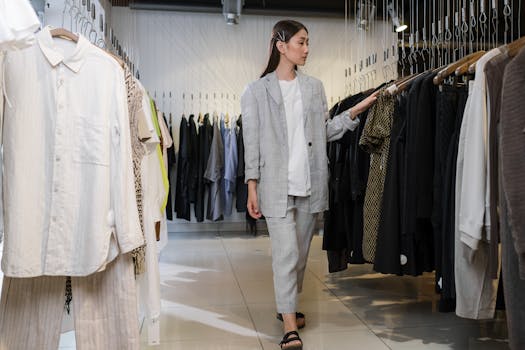
Moreover, the rising temperatures globally have led to an increased interest in jackets made from lighter fabrics such as linen or bamboo. These materials are not only breathable but also sustainable, appealing to the eco-conscious shopper. The designs incorporate ample ventilation and moisture-wicking properties to ensure comfort in warmer conditions.
The fashion industry's response to climate change is not limited to adapting existing designs but also involves rethinking the lifecycle of fashion products. There is a growing trend towards creating jackets that are timeless in style and made from durable materials that can withstand various weather conditions over many years. This approach not only reduces waste but also encourages consumers to invest in higher-quality pieces that do not need to be replaced frequently.
In addition to material and design innovations, technology plays a crucial role in the development of climate-adaptive fashion jackets. Smart textiles are at the forefront of this trend, with fabrics that can change their properties based on external temperatures, providing optimal thermal comfort. Some jackets are even equipped with UV protection or self-cleaning technology, pushing the boundaries of what traditional jackets can offer.
The impact of climate on fashion jacket trends is a multifaceted issue that encompasses environmental, technological, and aesthetic considerations. As the world continues to experience significant climatic shifts, the fashion industry's ability to anticipate and react to these changes will be crucial. By embracing innovation and sustainability, designers and brands can ensure that their products remain relevant and desirable in a rapidly changing world.
In conclusion, the relationship between climate and fashion jacket trends is a compelling example of how the apparel industry must evolve to address global challenges. Through a combination of advanced materials, innovative designs, and smart technologies, the fashion world is poised to meet the demands of a diverse and environmentally aware consumer base. As we move forward, the creativity and adaptability of the fashion industry will undoubtedly continue to be tested by the ever-changing climate.