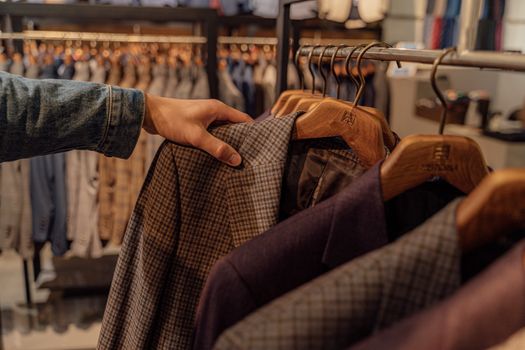
Caring for your winter outerwear isn’t just about keeping your favorite coats and jackets looking sharp—it’s about preserving their performance and longevity. Whether you invest in a luxury wool coat, a high-tech down parka, or a classic waterproof shell, proper maintenance can mean the difference between a cozy, stylish winter and a cold, costly disappointment. In this guide, we’ll walk through actionable, research-backed strategies to clean, store, and protect your winter outerwear so that it looks and feels like new for many seasons to come.
Understanding the Unique Needs of Winter Outerwear Fabrics
Winter outerwear comes in a variety of fabrics, each with distinct care requirements. Wool, down, synthetic fibers, and technical shells all face unique winter challenges—think salt stains, moisture, and dirt accumulation.
Wool coats, prized for their warmth and style, are naturally water-resistant but prone to pilling and moth damage. Down jackets, filled with goose or duck feathers, offer superior insulation but can clump or lose loft if improperly cleaned. Synthetic outer layers such as polyester or nylon are lightweight and easy to care for, but can lose their waterproof coating over time. Technical shells, often featuring Gore-Tex or similar membranes, demand specialized cleaning to maintain breathability and water resistance.
.png)
A 2022 survey by the International Fabricare Institute found that improper washing and storage reduce the lifespan of winter outerwear by up to 40%. Knowing your fabric’s specific vulnerabilities is the first step toward smart care.
Cleaning Strategies: When, How, and What to Avoid
The best way to clean your outerwear depends on the fabric and construction. Over-washing can degrade materials, while under-cleaning allows stains and odors to set. Here’s a fabric-by-fabric breakdown:
Wool: Most wool outerwear should only be dry cleaned 1-2 times per season, unless soiled. For spot cleaning, blot stains gently with a damp cloth and mild wool detergent. Brushing your coat with a natural bristle brush after each wear helps remove surface dirt and prevent matting.
Down: Down jackets can often be machine washed, but always check the care label. Use a front-loading washer (top-loaders with agitators can damage the filling) and a down-specific detergent. Rinse thoroughly to remove detergent residue, and tumble dry on low with clean tennis balls or dryer balls to restore loft. Never wring out a down jacket—this can crush the delicate feathers.
Synthetic Fibers: These are typically the most forgiving. Machine wash cold with a gentle detergent, and avoid fabric softeners, which can damage water-repellent coatings. Air dry or tumble dry on low.
Technical Shells: Use a cleaner made specifically for waterproof/breathable fabrics (like Nikwax Tech Wash). Avoid regular detergents or bleach, which can strip the DWR (durable water repellent) finish. After washing, you may need to reapply a DWR treatment to maintain water resistance.
Here’s a comparative overview of cleaning methods for common outerwear types:
| Fabric/Type | Recommended Cleaning | Frequency | Special Precautions |
|---|---|---|---|
| Wool Coat | Dry Clean | 1-2 times per season | Avoid water, brush regularly |
| Down Jacket | Machine wash (gentle cycle, down detergent) | 1-2 times per season | Dry with tennis balls, never wring |
| Synthetic Insulated | Machine wash (gentle detergent) | As needed | No fabric softener |
| Technical Shell | Specialty cleaner (e.g., Tech Wash) | 2-3 times per season | Reapply DWR as needed |
Dealing with Common Winter Outerwear Issues
Salt Stains: Snow, ice, and salt are a triple threat to winter outerwear, particularly in urban environments. Salt stains are especially damaging to wool and leather. For wool, mix equal parts white vinegar and water, blot the stain, and let dry. Leather should be wiped with a damp cloth and treated with a leather conditioner.
Odor Build-Up: Trapped sweat and environmental odors can make jackets unpleasant. For natural fibers, airing out after each wear is essential. For technical jackets, unzipping and hanging them in a well-ventilated area prevents mildew and odor.
Pilling and Fabric Wear: Wool and some synthetics are prone to pilling, which occurs when loose fibers clump together. Use a fabric shaver or a sweater stone to gently remove pills. Avoid using razors, which can cut into the fabric.
Zipper and Hardware Maintenance: Salt and moisture can corrode zippers and buttons. Wipe hardware after exposure to slush or rain, and occasionally lubricate zippers with a graphite pencil or a specialized zipper lubricant.
Smart Storage: Protecting Your Investment Between Seasons
Proper storage is crucial for maintaining the shape, color, and performance of your outerwear between winters. According to a 2021 study by the American Apparel & Footwear Association, poor storage is responsible for 30% of outerwear damage reported by consumers.
Clean Before Storing: Always wash or dry clean jackets before putting them away for the season. Dirt, oils, and stains become harder to remove over time and can attract insects.
Choose the Right Hanger: Heavy coats should be hung on sturdy, broad-shouldered hangers to prevent stretching. Avoid wire hangers, which can distort the shape.
Breathable Garment Bags: Store coats in breathable cotton garment bags rather than plastic, which can trap moisture and lead to mildew.
Avoid Compression: Down and synthetic insulated jackets should not be compressed for long periods, as this can flatten the insulation. Store them loosely in a closet or in a large cotton bag.
Repel Moths and Pests: Wool and other natural fibers are susceptible to moth damage. Use cedar blocks, lavender sachets, or mothballs (with caution) to keep pests at bay.
Restoring Water Resistance and Performance Features
Many winter jackets, especially technical shells and synthetic parkas, rely on a DWR (durable water repellent) finish to shed moisture. Over time, abrasion, dirt, and washing can diminish this protective layer.
Testing Water Resistance: Sprinkle a few drops of water on your jacket’s surface. If the water beads up and rolls off, the DWR is intact. If it soaks in or leaves dark marks, it’s time for renewal.
Reapplying DWR: After washing, use a spray-on or wash-in DWR treatment (read the product instructions carefully). These treatments restore the jacket’s ability to repel moisture. According to consumer lab tests, reapplying DWR can improve water resistance by up to 70% compared to untreated, worn garments.
Seam Sealing: For technical jackets, periodically check the seam tape (the strips covering sewn seams inside the jacket). If peeling occurs, you can re-seal with seam grip products designed for outerwear.
Eco-Friendly and Professional Care Solutions
As sustainability becomes a top priority for consumers, eco-friendly cleaning and repair options are on the rise. Traditional dry cleaning uses perchloroethylene (perc), a chemical solvent that can be harmful to both health and the environment. Many cities now offer green dry cleaning, which uses liquid CO2 or silicone-based solvents.
Home Cleaning Kits: Products like the Woolite At-Home Dry Cleaning Kit allow you to freshen outerwear at home with non-toxic ingredients, reducing environmental impact and cost.
Professional Repair: Rather than discarding damaged outerwear, look for local or mail-in repair services. Brands like Patagonia and The North Face offer in-house repairs, extending the life of garments. According to a 2020 report by the Ellen MacArthur Foundation, repairing clothing can reduce its overall environmental impact by up to 60%.
Final Thoughts on Caring for Your Winter Outerwear
With the right care, your winter outerwear can deliver years of warmth, style, and protection. From understanding fabric-specific cleaning and maintenance to adopting smart storage and eco-friendly solutions, investing a little time in upkeep pays off in both performance and sustainability. Remember: a well-cared-for coat isn’t just a fashion statement—it’s a reflection of thoughtful, responsible living. By following these guidelines, you can face every winter with confidence, knowing your outerwear is ready for whatever the season brings.