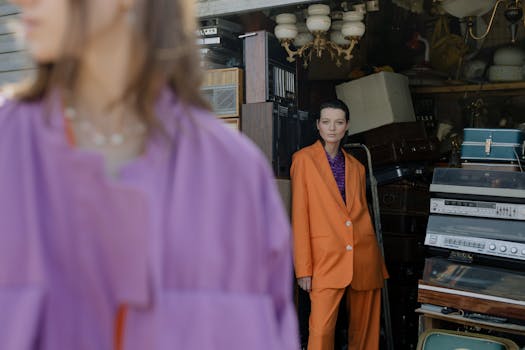
The Revival of Vintage Trends in Modern Fashion
Fashion is a perpetual cycle of reinvention. What’s old often becomes new again, as designers and tastemakers draw inspiration from decades past to shape today’s style landscape. In recent years, the revival of vintage trends in modern fashion has become more than a passing fad—it’s a cultural movement. Clothing once relegated to thrift shops and family attics is now gracing magazine covers, runways, and city streets worldwide. But why are vintage styles making such a spectacular comeback, and how are they influencing the way we dress today? Let’s explore the phenomenon in depth, tracing its origins, cultural significance, and the ways it’s transforming both high fashion and everyday wardrobes.
The Roots of Vintage Revival: Why Now?
The resurgence of vintage trends is not accidental. Several factors have converged to breathe new life into retro aesthetics. According to a 2023 report by ThredUP, the global secondhand apparel market is expected to reach $350 billion by 2027, up from $96 billion in 2021. This surge is fueled by younger shoppers—62% of Gen Z and Millennials say they look for vintage or secondhand items when shopping for clothes.
Social media platforms like Instagram and TikTok have accelerated the trend, with hashtags such as #vintagefashion amassing over 15 million posts. These platforms allow influencers and fashion enthusiasts to showcase unique, one-of-a-kind pieces, making vintage styles aspirational and accessible. Furthermore, concerns about sustainability and the environmental impact of fast fashion have driven consumers to seek out garments with history and longevity.
.png)
Celebrities have also played a pivotal role. When Zendaya appeared at the 2021 BET Awards in a vintage Versace gown—originally worn by Beyoncé in 2003—the image went viral, sparking renewed interest in early 2000s glamour. Such high-profile moments reinforce the desirability of vintage pieces and prompt designers to revisit classic silhouettes, fabrics, and prints.
Key Vintage Eras and Their Modern Interpretations
Not all vintage trends are created equal. While fashion cycles through decades with regularity, certain eras have proven especially influential in the 21st century.
1920s – The Jazz Age The roaring twenties brought flapper dresses, dropped waists, and ornate beadwork. Today, designers like Gucci and Prada have revived Art Deco patterns and fringe detailing, often merging them with modern tailoring. The resurgence of headbands, feathered accessories, and T-strap shoes nods directly to this glamorous era.
1970s – Bohemian Rhapsody The 1970s were defined by earthy tones, flowy silhouettes, and a sense of liberated style. Modern collections from brands such as Chloé and Etro feature bell-bottom trousers, suede jackets, and paisley prints, all echoing the boho-chic mood. According to Lyst’s 2022 Fashion Report, searches for “flared jeans” increased by 105% year-over-year, underscoring this decade’s enduring appeal.
1980s – Power and Playfulness The bold colors, oversized blazers, and statement shoulders of the 1980s are back with a vengeance. Balenciaga and Saint Laurent have embraced neon hues and chunky sneakers, while the popularity of “mom jeans” and scrunchies among Gen Z further cements the era’s influence. In 2021, searches for shoulder pads rose by 60% according to global shopping platform ShopStyle.
1990s – Minimalism Meets Grunge From slip dresses to combat boots, the ’90s aesthetic is a mainstay in modern wardrobes. Brands like Calvin Klein and Alexander Wang channel minimalist slip dresses, while Dr. Martens boots and flannel shirts remain staples for those embracing grunge. Vintage band tees and bucket hats have also made a significant comeback.
2000s – Y2K Nostalgia The early 2000s, once maligned for their “tacky” taste, are now a wellspring of inspiration. Micro-mini skirts, low-rise jeans, and rhinestone embellishments are reappearing on runways and social feeds. The 2022 resurgence of Juicy Couture tracksuits and butterfly clips illustrates the cyclical nature of fashion and the power of nostalgia.
Vintage vs. Modern: A Comparative Look at Fashion Trends
To understand the dynamic interplay between vintage and modern styles, consider the following comparative table. It highlights how select vintage trends have been reinterpreted for contemporary audiences:
| Vintage Trend | Original Era | Modern Reinvention | Example Brands/Designers |
|---|---|---|---|
| Shoulder Pads | 1980s | Sleek, structured blazers | Balmain, Alexander McQueen |
| High-Waisted Trousers | 1940s/1980s | Wide-leg, cropped versions | Chloé, Zara |
| Slip Dresses | 1990s | Layered with tees or oversized jackets | Calvin Klein, Reformation |
| Boho Maxi Dresses | 1970s | Printed, sustainable fabrics | Free People, Etro |
| Platform Shoes | 1970s | Chunky sneakers, platform sandals | Gucci, Converse |
| Cat-Eye Sunglasses | 1950s | Modern, oversized frames | Celine, Prada |
This table demonstrates that modern fashion doesn’t simply replicate the past—it adapts, refines, and occasionally subverts it. The result is a dynamic dialogue between eras, creating something fresh yet rooted in history.
Why Vintage Trends Resonate Today
The appeal of vintage fashion extends beyond aesthetics. Several core reasons explain its growing popularity:
1. Sustainability and Conscious Consumption With the fashion industry responsible for 10% of global carbon emissions, sustainability is top of mind for many shoppers. Buying vintage or vintage-inspired clothing extends the lifecycle of garments and reduces waste. According to the Ellen MacArthur Foundation, extending the average life of clothing by just nine months can reduce its carbon, water, and waste footprint by 20-30%. 2. Individuality and Self-Expression Vintage pieces offer uniqueness in a world saturated with mass-produced clothing. Wearing a 1970s leather jacket or a 1990s band tee is a statement of individuality. This desire for personal expression is especially strong among Gen Z, 54% of whom say they prefer to curate their own style rather than follow mainstream trends. 3. Nostalgia and Emotional Connection Clothing can evoke powerful memories and emotions. Wearing a style associated with a beloved movie, music era, or family member creates a sense of continuity and comfort. The return of Y2K trends, for example, is driven partly by Millennials and Gen Z longing for the simpler, pre-digital days of their childhoods. 4. Quality and Craftsmanship Older garments were often made with superior fabrics and construction techniques compared to much of today’s fast fashion. Vintage shoppers frequently cite durability as a key reason for their purchases, with 67% saying they believe older clothes are higher quality, according to a 2022 survey by ThredUP.How Designers and Brands Are Embracing Vintage
Major fashion houses and independent designers alike are increasingly drawing from the past. Gucci’s Alessandro Michele is perhaps the most visible proponent; his collections are a kaleidoscope of references, from 1970s tailoring to 1990s logomania. At the same time, brands like Levi’s and Adidas have reissued classic pieces, catering to both nostalgia and sustainability.
Collaborations between heritage brands and contemporary labels are also on the rise. For example, the Adidas x Gucci collection fuses sportswear staples from the 1970s and 1980s with modern luxury touches. Similarly, Dr. Martens regularly partners with artists and designers to reimagine its iconic boots for new generations.
Retailers are taking note, too. Major platforms like ASOS, Urban Outfitters, and even luxury retailer Farfetch now offer dedicated vintage and pre-owned sections. According to GlobalData, the online vintage apparel market grew by 24% in 2022 alone.
Vintage Fashion’s Influence on Pop Culture and Media
The impact of vintage revival extends beyond clothing racks. Television shows and films set in previous decades—such as “Stranger Things” (1980s), “The Queen’s Gambit” (1950s-60s), and “Daisy Jones & The Six” (1970s)—have sparked renewed interest in period-accurate fashion. Costume designers for these productions often collaborate with vintage collectors to ensure authenticity, further blurring the line between entertainment and real-world trends.
Music artists like Harry Styles and Billie Eilish have also popularized retro aesthetics, often appearing in vintage or vintage-inspired outfits in their music videos and public appearances. Their millions of followers help to normalize and celebrate the eclectic, mix-and-match philosophy at the heart of vintage fashion.
Conclusion: The Enduring Power of the Past
The revival of vintage trends in modern fashion is more than a nostalgic trip down memory lane—it’s a testament to fashion’s adaptability and cultural relevance. By drawing from the past, today’s designers and consumers are crafting a future that values sustainability, individuality, and creativity. As the cycle of trends continues, one thing is certain: vintage style, in all its forms, is here to stay.