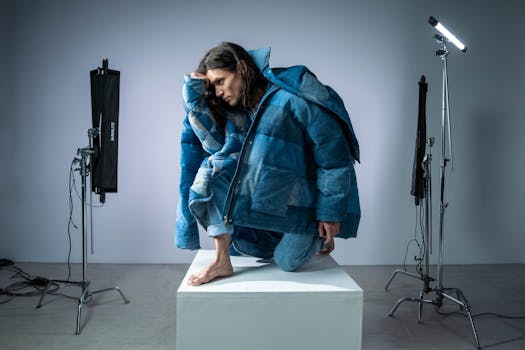
Fashion Jackets: History and Evolution from Utility to Iconic Style
Few garments have made as lasting an impact on culture and personal identity as the fashion jacket. Once defined solely by utility and necessity, jackets have become a symbol of rebellion, luxury, and creative expression across generations. Their transformation from simple outerwear to style-defining statements mirrors shifts in technology, society, and aesthetics over centuries. This article explores the fascinating journey of fashion jackets: their roots, cultural milestones, technological advancements, and the ever-changing ways they shape—and are shaped by—what we wear and who we are.
The Humble Origins: Function Before Fashion
The story of jackets begins long before fashion’s modern era. Early jackets, such as the doublet in medieval Europe or the kimono-style haori in Japan, were created primarily for protection and warmth. Materials were dictated by geography and available resources. For example, animal hides, wool, and woven fabrics dominated early jacket construction.
By the 19th century, industrialization introduced mass-produced textiles and standardized clothing. Military needs heavily influenced jacket development. The British redcoat, the French hussar’s dolman, and the American Civil War frock coat all shaped the silhouettes and closures we recognize today. Functionality was paramount: epaulettes for rank, buttons for ease, and pockets for tools.
.png)
Interesting Fact: The word “jacket” itself is believed to derive from the French “jaquette,” a diminutive of “jaque,” meaning a small or light tunic, first used in the Middle Ages.
From the Battlefield to the Silver Screen: Jackets as Cultural Icons
The 20th century brought unprecedented changes. After World Wars I and II, military surplus jackets found their way into civilian wardrobes. The bomber jacket (MA-1), trench coat, and pea coat all transitioned from uniform to everyday wear. This crossover marked the beginning of jackets as cultural signifiers.
Hollywood and music further elevated jackets to icon status. Marlon Brando’s leather jacket in "The Wild One" (1953) ignited the rebel biker image, while James Dean’s red windbreaker in "Rebel Without a Cause" (1955) cemented the jacket as a symbol of youth and defiance. In the 1970s and 1980s, punk and hip-hop movements reimagined jackets with DIY embellishments, patches, and bold graphics, turning them into canvases of personal expression.
Noteworthy Statistic: In a 2017 poll by YouGov, the leather jacket was voted the most iconic piece of clothing in film history, recognized by over 60% of respondents.
Technological Innovations: Materials and Manufacturing
Jackets have not only reflected fashion trends but also advances in material science and garment construction. The 20th century saw the invention of new fibers:
- Nylon (1935): Used for the first mass-produced windbreakers and bomber jackets. - Polyester (1941): Allowed for lighter, wrinkle-resistant options. - Gore-Tex (1969): Brought waterproof, breathable outerwear to the mainstream.Modern synthetic blends provide insulation, weather resistance, and even antimicrobial properties. High-performance jackets, like those used by mountaineers or athletes, rely on advanced textiles engineered to withstand extreme conditions while remaining lightweight.
Comparison Table: Traditional vs. Modern Jacket Materials
| Material | Era | Primary Features | Common Uses |
|---|---|---|---|
| Wool | Ancient-present | Warm, breathable, durable | Pea coats, blazers, duffle coats |
| Leather | Medieval-present | Protective, stylish, ages well | Biker jackets, bombers, trench coats |
| Nylon | 1930s-present | Lightweight, windproof, water-resistant | Bomber jackets, windbreakers |
| Polyester | 1940s-present | Wrinkle-resistant, quick-drying | Sport jackets, raincoats |
| Gore-Tex | 1970s-present | Waterproof, breathable | Outdoor, hiking, sports jackets |
Jackets as Symbols: Identity, Protest, and Prestige
Beyond their practical function, jackets have long served as potent symbols. Throughout history, they have been used to assert identity, signal group membership, or challenge the status quo.
- The Varsity Jacket: First awarded to Harvard baseball players in 1865, the “letterman” jacket quickly became a rite of passage for student athletes across America. By the 1950s, it was synonymous with school spirit and achievement. - The Mao Jacket: Worn by Chinese leader Mao Zedong, this simple, collarless garment became a symbol of egalitarianism and the Communist movement during the 20th century. - The Punk Jacket: In the late 1970s London punk scene, customized leather and denim jackets adorned with spikes, slogans, and band patches became visual shorthand for anti-establishment attitudes.Fashion houses have also elevated jackets to luxury status. The Chanel tweed jacket, introduced by Coco Chanel in 1954, is still considered the pinnacle of sophistication and has been reinterpreted in countless collections. In 2019, the global luxury outerwear market was valued at $27.3 billion, with designer jackets accounting for a significant share.
Jackets and Gender: Breaking the Boundaries
Jackets have played a unique role in the shifting landscape of gender norms and fashion. For centuries, outerwear was strictly divided along gender lines, with women’s jackets often designed as decorative or ceremonial, while men’s were utilitarian.
The 1920s and 1930s saw a gradual blurring of these boundaries. Fashion icons like Marlene Dietrich and Katharine Hepburn popularized tailored blazers and leather jackets for women, challenging the era’s sartorial expectations. The 1980s “power suit”—with its signature shoulder-padded jacket—became a symbol of women’s growing presence in the corporate world.
In contemporary fashion, the jacket is one of the most gender-fluid garments. Unisex styles, oversized fits, and cross-gender influences are common, reflecting a broader push for inclusivity and self-expression in clothing.
Interesting Fact: In 2016, the Council of Fashion Designers of America (CFDA) highlighted the “genderless jacket” trend, with 32% of major runway shows featuring unisex outerwear.
Modern Reinventions: Sustainability and Digital Influence
As fashion faces growing scrutiny over environmental impact, the evolution of the jacket continues. Brands are exploring recycled materials, closed-loop manufacturing, and minimalist design to reduce waste. In 2022, Patagonia reported that 69% of its jacket line used recycled materials, a figure echoed across much of the outdoor apparel industry.
Digital technology is also reshaping how jackets are designed and marketed. Virtual fitting rooms, 3D garment simulation, and influencer-driven trends are accelerating the pace of change. Viral moments—such as the “puffer jacket challenge” on social media—can catapult a style to global prominence overnight.
Recent Example: The North Face x Gucci collaboration in 2021 sold out in hours, demonstrating how digital hype and limited releases can redefine the value and desirability of a classic jacket.
The Enduring Appeal: Why Jackets Remain Timeless
From medieval battlefields to digital runways, the fashion jacket has proven remarkably adaptable. Its enduring popularity lies in its perfect balance of practicality and style, tradition and innovation. As we move into an era defined by sustainability, digital disruption, and shifting identities, the jacket remains a canvas onto which individuals and cultures project their values, aspirations, and creativity.
Whether you reach for a classic trench, a high-tech parka, or a vintage biker, you’re participating in a centuries-old tradition—one that continues to evolve with every stitch and silhouette.