The Dynamic Impact of Climate on Fashion Jacket Trends
Fashion is more than just aesthetics; it’s a response to the world around us. Nowhere is this clearer than in the evolution of the fashion jacket—a garment that sits at the intersection of form, function, and environmental necessity. While designers and shoppers may be drawn to the latest silhouettes and colors, the underlying driver behind many jacket trends is climate. Shifting weather patterns, unpredictable seasons, and regional climates have a profound effect on which jackets become popular, what materials are used, and how brands market their collections. Let’s explore how climate directly shapes fashion jacket trends, from functional innovation to global industry changes.
Climate as a Catalyst for Jacket Innovation
Historically, the primary function of a jacket was protection—against cold, rain, or wind. The classic trench coat, for instance, was developed in the 19th century for British soldiers to withstand the damp, chilly climate of the trenches. Today, climate continues to drive innovation in jacket design. As global temperatures fluctuate, designers must anticipate consumer needs: lighter jackets for milder winters, water-resistant layers for unpredictable rain, or insulated parkas for sudden cold snaps.
In recent years, climate unpredictability has accelerated material innovation. According to a 2022 report by GlobalData, 68% of fashion brands have increased investment in high-performance textiles that provide insulation, breathability, and weather resistance. Jackets now frequently utilize materials like Gore-Tex, Thinsulate, and recycled polyester blends to offer lightweight warmth and water repellency. For example, the popularity of hybrid jackets—garments that combine down insulation with softshell panels—has surged in regions experiencing milder, wetter winters.
.png)
Regional Climate Differences and Jacket Preferences
Jacket trends are far from universal. What’s popular in Scandinavia may not suit the Mediterranean, and vice versa. Regional climates play a pivotal role in shaping consumer preferences and, by extension, the jacket collections that brands release.
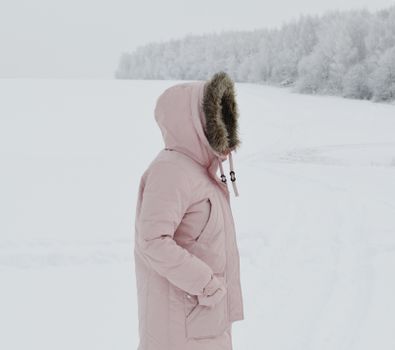
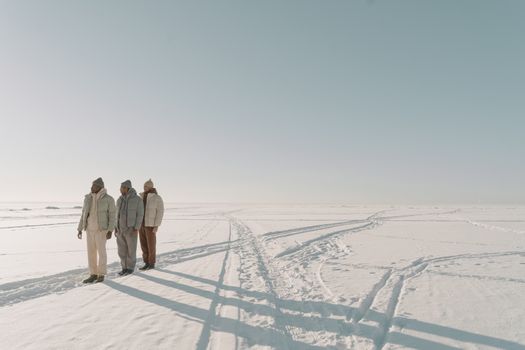
In Northern Europe and Canada, where winters are long and harsh, sales of insulated parkas and down jackets remain high. For instance, Canada Goose, a brand synonymous with extreme cold, reported a 15% increase in parka sales in 2023 due to prolonged winter weather in northern regions. Conversely, Southern Europe and the southern U.S., with their milder winters, have seen a shift towards lighter, layered jackets—such as bombers, denim, and quilted styles.
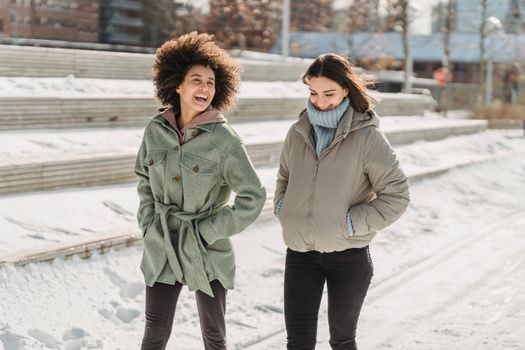
Urban environments also introduce microclimates that affect trends. In coastal cities like San Francisco or London, where weather can shift rapidly, “transitional” jackets that offer both warmth and water resistance—think anoraks or lightweight trench coats—dominate the market.
Climate Change: Redefining Seasonal Fashion Cycles
One of the most significant disruptors in recent years is climate change itself. According to the National Oceanic and Atmospheric Administration (NOAA), average global temperatures have increased by 1.2°C since 1880, and 19 of the 20 warmest years on record have occurred since 2001. This warming trend has led to unpredictable weather patterns: later winters, earlier springs, and more frequent extreme weather events.
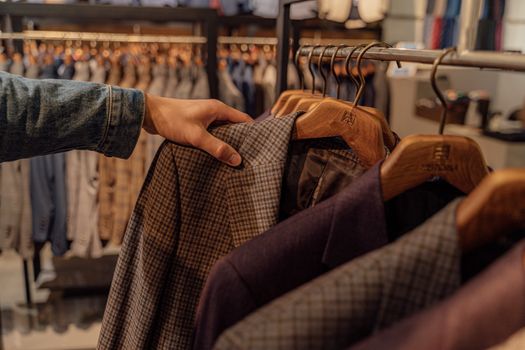
For the fashion industry, this means the traditional four-season cycle is breaking down. Brands are now forced to adopt “seasonless” approaches, releasing versatile jackets that can be worn year-round. The rise of shackets (shirt-jackets), lightweight puffers, and convertible outerwear reflects this shift. Notably, Zara and Uniqlo have expanded their transitional outerwear offerings by over 30% in the past two years, responding to consumer demand for adaptable garments.
This trend is especially pronounced in global fashion capitals. Milan and Paris, once known for their opulent winter coats, are now seeing a rise in lighter, more versatile styles that accommodate unexpected warm spells or rainy winters.
Eco-Conscious Materials and Their Climatic Influence
As climate awareness grows, so does demand for sustainable, eco-friendly jackets. The environmental impact of traditional jacket materials—such as animal-derived down or petroleum-based synthetics—has become a significant concern for both brands and consumers.
The result has been a surge in recycled and plant-based materials. Patagonia reported that by 2023, over 87% of its jacket line used recycled materials, helping to reduce carbon emissions by an estimated 20,000 tons annually. Similarly, brands like The North Face and Moncler have introduced jackets filled with recycled down or synthetic fibers derived from plastic bottles.
Not only do these materials respond to environmental concerns, but they also offer performance benefits suited to changing climates. For example, PrimaLoft Bio insulation, made from 100% recycled materials, is designed to biodegrade more efficiently when discarded and offers excellent warmth-to-weight ratios for unpredictable weather.
Comparing Jacket Trends Across Different Climates
To better understand how climate shapes jacket trends, consider this comparative overview of popular jacket styles, materials, and features across three distinct climatic regions:
| Region | Typical Climate | Popular Jacket Styles | Preferred Materials | Key Features |
|---|---|---|---|---|
| Northern Europe & Canada | Cold, long winters; snow; wind | Parka, down jacket, insulated trench | Down, Gore-Tex, recycled polyester | Thermal insulation, water/wind resistance, hoods |
| Southern Europe & Southern US | Mild winter; short cold periods; rain | Bomber, denim jacket, shacket, light puffer | Cotton blends, light synthetics, eco-fabrics | Lightweight, breathable, water-repellent |
| East Asia (e.g., Japan, S. Korea) | Humid summers; cold, dry winters | Hooded parka, quilted jacket, raincoat | Synthetic insulation, waterproof membranes | Packable, moisture-wicking, adjustable layers |
This table demonstrates how climate dictates not just stylistic choices, but also technological and material innovation in fashion jackets.
The Role of Technology and Forecasting in Jacket Design
Weather forecasting technology and data analytics are now integral to fashion planning. Major brands use climate data to predict demand and adjust production accordingly. For example, H&M partners with meteorological agencies to anticipate weather trends, allowing them to stock stores with appropriate jackets ahead of sudden cold snaps or heatwaves.
Smart materials and wearable technology are also entering the jacket market. Jackets with built-in temperature regulation, such as Columbia’s Omni-Heat reflective lining or jackets with integrated heating panels, are gaining traction in regions with highly variable climates. In 2022, the heated jacket market was valued at $161 million globally and is projected to grow by 8.5% annually through 2027, driven by demand in unpredictable climates.
Social and Cultural Responses to Climate-Driven Trends
Fashion is never just about the weather—it’s also about social identity, status, and culture. Climate-driven jacket trends often become symbols of regional identity or environmental consciousness. The rise of the “puffer jacket” as a streetwear staple in cities like New York and London is as much about climate adaptation as it is about cultural signaling.
Additionally, “climate anxiety” is influencing buying habits. A 2023 Statista report found that 42% of Gen Z consumers consider climate change when purchasing outerwear, seeking jackets that are both functional and ethically made. This is reflected in the success of brands like Everlane and Veja, who market their jackets as climate-resilient and environmentally responsible.
Final Reflections: Climate’s Lasting Mark on Fashion Jackets
The impact of climate on fashion jacket trends is both immediate and enduring. From the evolution of materials to the redefinition of seasonal cycles and the embrace of sustainable innovation, climate acts as both a challenge and a catalyst for creativity. As weather patterns grow more unpredictable and consumer awareness of environmental issues rises, the fashion industry must continue to adapt—blending science, design, and cultural understanding to create jackets that meet the needs of a changing world.
As we move forward, expect to see even more rapid innovation in jacket technology, materials, and multifunctional designs. The jacket, once a simple shield against the elements, now stands as a testament to the fashion industry’s resilience, adaptability, and commitment to both performance and style in a warming world.