Keeping your jacket looking sharp and well-shaped is about more than just appearances—it’s key to ensuring its longevity, comfort, and performance. Whether you rely on a classic wool coat for work, a high-tech shell for outdoor adventures, or a vintage denim jacket for style, maintaining the original shape of your jacket during washing and storage is a crucial yet often overlooked part of garment care. Missteps can lead to sagging shoulders, lumpy insulation, or distorted seams that are difficult—sometimes impossible—to fix. Fortunately, with a few smart techniques and a little planning, you can keep your jackets in top condition season after season.
Understanding Jacket Construction: Why Shape Matters
Unlike T-shirts or simple sweaters, jackets are constructed with complex features like structured shoulders, reinforced seams, linings, and sometimes even internal padding. The integrity of these components determines not just how your jacket looks, but how it fits and performs.
For example, a 2022 study by the Textile Research Journal found that 64% of consumers rated "fit and structure" as the most important quality in outerwear. Once a jacket loses its shape, it may not only look sloppy but also lose its weatherproofing, warmth, or comfort. Puffer jackets, for instance, rely on evenly distributed insulation; wool coats need crisp lapels and shoulders to maintain their sharp silhouette. Understanding the construction of your jacket is the first step in preserving its shape during both washing and storage.
.png)
Washing Your Jacket: Techniques to Prevent Misshaping
Washing is the moment when most jacket-shape disasters occur. The combination of water, heat, and agitation can be brutal on carefully engineered fabrics and forms. Here’s how to keep your jacket’s shape intact:
1. $1 Always start by reading the manufacturer’s care instructions. According to Consumer Reports, not following these guidelines is the leading cause of garment damage, accounting for up to 40% of home laundry mishaps. 2. $1 For machine-washable jackets, select the gentlest cycle and cold water to minimize stress on seams and padding. High temperatures can warp synthetic materials and shrink natural fibers. 3. $1 Zip up all zippers, buttons, and snaps to help the jacket keep its shape and prevent snagging. 4. $1 Wash jackets separately or with similarly weighted items to avoid crushing or distorting the fabric. 5. $1 For delicate jackets, use a large mesh laundry bag to provide extra protection from agitation. 6. $1 These can break down water-repellent coatings or affect the structure of technical fibers. 7. $1 Blazers, structured wool coats, or jackets with shoulder pads are usually best cleaned by hand or taken to a professional. If hand washing, support the garment fully and avoid wringing or twisting.Drying Jackets: The Right Way to Retain Form
The drying process is just as critical as washing. Improper drying can cause shrinkage, stretching, or lumpy insulation.
1. $1 Instead, gently press out excess water with a towel. 2. $1 Lay the jacket flat on a dry towel, smooth out seams, and reshape collars, lapels, and shoulders with your hands. 3. $1 Most jackets benefit from air drying. Hang on a wide, padded hanger or lay flat on a drying rack. For down or synthetic-insulated jackets, a low-heat tumble dry with clean tennis balls helps restore loft without damaging the baffles. 4. $1 Direct heat can fade fabrics and distort shapes. Dry in a well-ventilated, shaded area. 5. $1 As the jacket dries, periodically reshape it to maintain crisp lines and even padding.Proper Storage: Preventing Deformation Over Time
Once your jacket is clean and dry, the next challenge is storage. Storing your jacket improperly can lead to permanent shoulder bumps, creases, or compressed insulation.
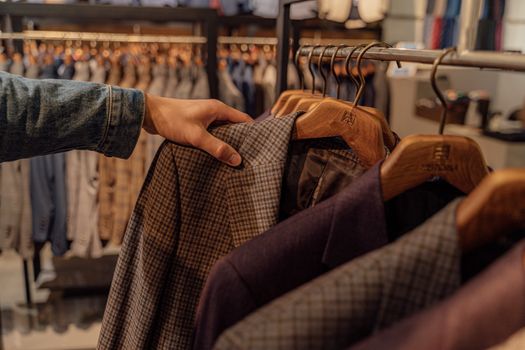
1. $1 Thin wire hangers are a common culprit in misshapen jackets. Opt for wide, contoured, or padded hangers that mimic the natural shape of your shoulders. For heavy coats, wooden hangers are ideal. 2. $1 Always zip or button the jacket before hanging. This helps maintain its form and prevents sagging. 3. $1 Avoid cramming jackets together in a crowded closet. Leave at least 2 inches (5 cm) between items to prevent crushing. 4. $1 For long-term storage, especially for wool or down, use breathable garment bags. Avoid plastic, which can trap moisture and lead to mildew. 5. $1 Hanging jackets from hooks, especially by the hood or collar, can distort the neck and shoulders over time. 6. $1 For lightweight or unstructured jackets, folding may be appropriate. Use acid-free tissue paper to maintain shape and prevent deep creases.Special Care for Different Jacket Materials
Different jacket materials have unique requirements. Here’s a quick comparison of care recommendations for common jacket types:
| Jacket Type | Washing Method | Drying Method | Storage Tips |
|---|---|---|---|
| Wool | Dry clean or gentle hand wash | Lay flat, reshape while damp | Wide padded hanger, breathable bag |
| Down | Machine wash cold, gentle cycle | Low-heat tumble dry with tennis balls | Hang, not compressed, avoid plastic |
| Synthetic/Technical | Machine wash cold, gentle cycle | Air dry or low-heat tumble | Hang, zipped/buttoned, avoid heat |
| Leather/Suede | Professional cleaning only | Air dry, away from heat | Wide hanger, avoid light/moisture |
| Denim | Machine wash rarely, inside out | Air dry, reshape seams | Hang, avoid overcrowding |
Common Mistakes That Distort Jacket Shape
Even the best intentions can go awry if you fall into these common pitfalls:
- $1 This causes garments to twist and crush each other, leading to stretched or skewed jackets. - $1 Unless your jacket is visibly soiled or has absorbed odors, frequent washing is unnecessary and accelerates wear. - $1 Small rips, loose buttons, or damaged seams can worsen during washing and alter the jacket’s structure. - $1 Hanging heavy wet jackets by the shoulders can stretch out the fabric and cause unsightly bumps. - $1 Compressing your jacket into tight storage bins or bags can flatten insulation and create deep-set wrinkles.A 2021 survey by The American Cleaning Institute found that 38% of people admitted to never reading care labels, and 27% had ruined at least one jacket due to improper washing or storage. Vigilance and a little extra attention to detail can save you time, money, and frustration.
Smart Habits for Long-Lasting Jacket Shape
Developing a few easy habits will help ensure your jackets always look and feel their best:
- $1 Check for loose threads, buttons, or weak seams. Address repairs promptly. - $1 Air out jackets between wears to reduce the need for frequent washing. Spot clean minor stains with a damp cloth. - $1 If you own multiple jackets, rotate them regularly to prevent excessive wear on any one piece. - $1 Before storing a jacket for the off-season, clean it thoroughly and make any necessary repairs.These proactive steps, though simple, dramatically extend the lifespan and appearance of your favorite outerwear.
Final Thoughts on Maintaining Jacket Shape
A well-cared-for jacket is more than a style statement—it’s a smart investment in comfort and durability. By understanding your jacket’s unique construction, washing with care, drying correctly, and storing thoughtfully, you’ll keep your favorite pieces looking and fitting as they did the day you brought them home. Taking the time to maintain shape prevents disappointment, saves money, and ensures you’ll always have a sharp, reliable jacket for any occasion.