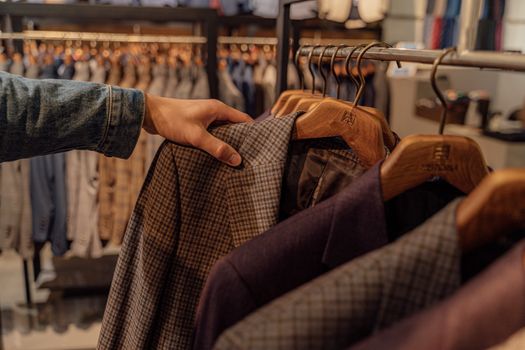
Choosing a jacket can often feel like walking a tightrope between style and substance. Eye-catching designs and trendy cuts might lure you at first glance, but when it comes down to real-world usage, the functional properties of a jacket—like warmth, weather resistance, and durability—ultimately determine whether your outerwear serves as a reliable companion or a regrettable purchase. In this article, we’ll delve deeply into why the functional properties of a jacket are more important than its design, drawing on real-world examples, research, and practical comparisons to help you make an informed choice the next time you browse for outerwear.
The Role of Functional Properties in Everyday Comfort
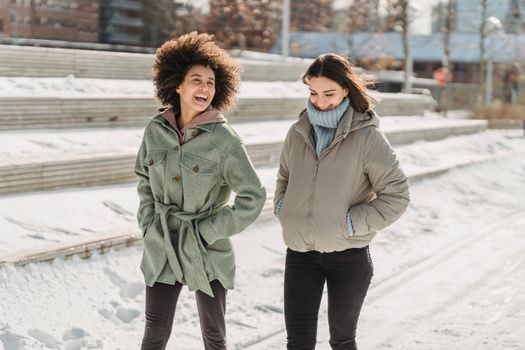
When you slip on a jacket before heading out, your primary expectation is comfort, regardless of the weather or your activity. The functional features of a jacket—such as insulation, breathability, waterproofing, and adjustability—directly impact how well it meets these daily demands.
For example, a 2022 survey by the Outdoor Industry Association found that 68% of participants prioritized warmth and water resistance over style when selecting a jacket for everyday use. Insulation materials like down or synthetic fibers trap body heat, making a massive difference in cold climates. Meanwhile, breathable fabrics such as Gore-Tex or eVent allow moisture and sweat to escape, reducing the risk of overheating or clamminess during physical activities.
.png)
Even if a jacket features the latest runway-inspired cut, it’s the adjustable cuffs, storm flaps, and ergonomic hoods that let you adapt to changing weather. These features don’t just add technical value—they directly enhance your day-to-day comfort, whether you're hurrying through a rainy commute or spending hours outdoors.
Protection Against the Elements: Where Function Trumps Fashion
Weather can be unpredictable, and a jacket’s primary role is to shield you from the elements. Here, the functional properties of a jacket become not just important but essential.
Let’s consider waterproofing. According to a report published by the American Meteorological Society, over 70% of North America experiences at least 30 days of precipitation annually. A fashionable wool coat without a waterproof membrane will quickly become saturated and heavy in a downpour, offering little protection. In contrast, a jacket equipped with sealed seams, a DWR (Durable Water Repellent) finish, and a robust waterproof membrane will keep you dry and comfortable.
Wind resistance is another crucial factor. Lightweight shell jackets with tight weaves or wind-blocking membranes can prevent cold air from penetrating, significantly enhancing warmth. Meanwhile, features like storm flaps over zippers and adjustable hems help seal out drafts. In situations ranging from urban commutes to mountain hikes, these technical properties matter far more than aesthetic details.
Durability and Value for Money: The Long-Term Perspective
A jacket may look fantastic in a store or on social media, but how does it hold up after months or years of regular use? Durability is one of the most overlooked yet vital aspects of functional outerwear.
High-quality jackets often utilize reinforced stitching, abrasion-resistant panels, and robust zippers. These features ensure that your jacket can withstand repeated use, exposure to the elements, and even the occasional rough treatment. For example, Cordura fabric is up to 10 times more durable than standard cotton or polyester blends, making it a popular choice for technical outerwear.
A 2021 consumer report found that people who invested in jackets with higher durability ratings were 3.5 times less likely to need a replacement within three years, compared to those who prioritized style. This not only saves money in the long run but also reduces environmental waste—a significant consideration in today’s sustainability-focused world.
Versatility: Adapting to Different Needs and Situations
Functional properties give a jacket the versatility needed to perform across a wide range of scenarios, from city strolls to backcountry adventures. A single well-designed technical jacket can often replace several fashion-focused pieces.
For instance, a 3-in-1 jacket—with a waterproof shell and a removable insulated liner—can be adapted for different temperatures and weather conditions. Jackets with ventilation zips, multi-pocket systems, and adjustable features can transition seamlessly from casual outings to outdoor sports.
The ability to layer, adjust, and repurpose a jacket makes it far more valuable than a piece with a fixed design meant only for a narrow set of circumstances. For travelers, commuters, and outdoor enthusiasts, this versatility translates into less luggage, less expense, and greater convenience.
Comparing Functional Properties vs. Design: A Practical Overview
To illustrate the real-world benefits of function over design, let’s compare two hypothetical jackets: one focused on functional features, the other on appearance.
| Feature | Functional Jacket | Design-Focused Jacket |
|---|---|---|
| Waterproofing | Yes (Gore-Tex, sealed seams) | No (wool, unlined) |
| Insulation | High (synthetic or down fill) | Minimal (thin lining) |
| Breathability | Yes (ventilation zips, mesh lining) | No (dense fabric, no vents) |
| Adjustability | Yes (adjustable hood, cuffs, hem) | No (fixed design) |
| Durability | High (reinforced stitching, tough fabric) | Low (delicate materials) |
| Weight | Light-to-medium | Heavy |
| Style | Simple, classic | Trendy, eye-catching |
This comparison highlights how a jacket with robust functional features consistently outperforms one chosen for style alone when it comes to practical use, comfort, and long-term satisfaction.
Safety and Performance in Extreme Conditions
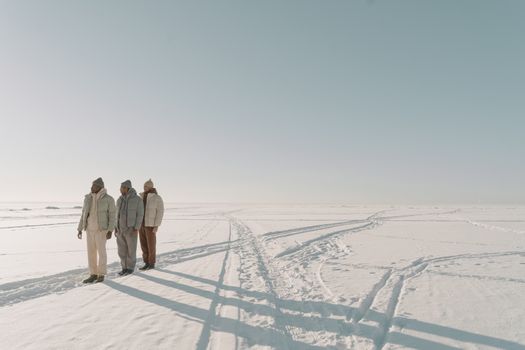
For those who engage in outdoor sports, travel, or work in variable climates, functional properties are not just a convenience—they are a matter of safety. Hypothermia, frostbite, and heat exhaustion are real risks when the body cannot stay within a safe temperature range.
According to the National Weather Service, over 1,300 deaths per year in the United States are related to hypothermia or extreme cold. A jacket designed with high-performance insulation, moisture-wicking linings, and windproof membranes can be a literal lifesaver in these conditions.
Even in less extreme cases, features like reflective strips, emergency whistles, or detachable hoods can contribute to safer and more effective outdoor experiences. No amount of creative design can substitute for these life-saving functional elements.
When Design Still Matters—but Shouldn’t Lead the Decision
All this is not to say that jacket design is unimportant. Aesthetics play a role in personal expression and confidence. In fact, many modern brands have made great strides in blending function and fashion, offering jackets that look as good as they perform.
However, when it comes to priorities, function should always lead. A jacket that looks great but leaves you cold, wet, or uncomfortable is ultimately a poor investment. It’s far better to start your search with the necessary features and then choose from the range of available designs that meet those functional requirements.
Final Thoughts: Why Functional Properties Win Out
When you consider the full range of scenarios where a jacket is needed—rain, snow, wind, physical activity, or simply running errands—the functional properties consistently prove more important than design. Features such as insulation, waterproofing, durability, and adjustability are what keep you comfortable, protected, and safe.
While design and style are not without value, they should never come at the expense of the critical features that make a jacket a dependable piece of outerwear. The next time you’re shopping, remember that fashion trends may come and go, but function is what stands between you and the elements every day.