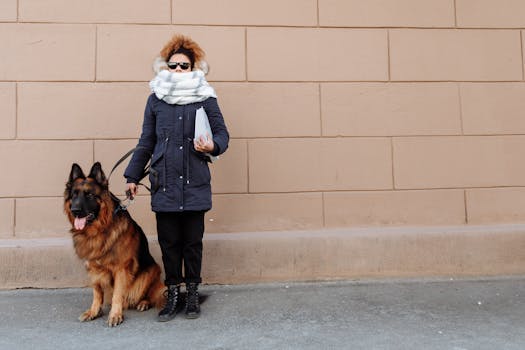
Winter can be both beautiful and brutal. When temperatures drop and snow starts to fall, the right outerwear transforms from a fashion statement into a necessity. Yet, with the overwhelming options available, finding the perfect pieces for your winter wardrobe can feel daunting. This guide delves deep into the essentials of winter outerwear—highlighting the key styles, innovative materials, practical features, and current trends that define what it means to be both warm and stylish when the cold hits. Whether you’re a city dweller or a mountain explorer, understanding your options is the first step toward assembling a winter wardrobe that’s as functional as it is fashionable.
The Foundation of Winter Outerwear: Key Types Explained
When it comes to winter, not all jackets are created equal. The type of outerwear you choose can drastically affect your comfort, mobility, and style throughout the season. Here are the most essential types of winter outerwear and what sets them apart:
1. $1: Known for their length and warmth, parkas typically extend below the hips and feature thick insulation—often down or a synthetic alternative. They usually include practical elements like fur-lined hoods and wind-resistant materials, making them ideal for extreme cold. In fact, parkas can provide warmth in temperatures as low as -30°C, which is why they remain the top choice for Arctic explorers and urban commuters alike. 2. $1: A classic staple, peacoats are wool-blend coats that offer a tailored silhouette with excellent wind resistance. While not suited for the harshest climates, a quality peacoat can keep you cozy down to around -5°C and is perfect for work or formal occasions. 3. $1: Puffer jackets have surged in popularity thanks to their lightweight feel and impressive insulation. Filled with down or synthetic fibers, modern puffers balance warmth with a sporty aesthetic. Innovations in fill power—measured in cubic inches per ounce—mean that today’s puffers can be both thin and incredibly warm. For example, a jacket with 800-fill-power down provides more insulation per ounce than one with 500-fill-power. 4. $1: These long, structured coats are favored for their sophisticated look and natural insulating properties. Wool overcoats are versatile, pairing well with both casual and formal outfits, and can handle temperatures around 0°C, especially when layered. 5. $1: Designed for performance, technical shells are made from waterproof, windproof, and breathable materials. They are often worn as the outer layer in a three-layer system, making them a favorite among skiers and outdoor adventurers.Material Matters: The Science of Warmth and Comfort
The effectiveness of winter outerwear hinges largely on the materials used. Advances in fabric technology have made today’s coats warmer, lighter, and more weather-resistant than ever before. Here’s what you need to know about the main materials:
.png) - $1: Often considered the gold standard for warmth, down is the soft layer found under the feathers of ducks and geese. It’s prized for its exceptional warmth-to-weight ratio. However, down loses insulating power when wet—unless treated with a water-repellent finish.
- $1: Modern synthetics like PrimaLoft and Thinsulate mimic the properties of down but perform better in damp conditions. They are also hypoallergenic and more affordable, making them a practical choice for everyday wear.
- $1: Natural wool is breathable, moisture-wicking, and retains warmth even when damp. It’s often blended with synthetic fibers to increase durability and reduce weight.
- $1: Materials such as Gore-Tex, eVent, and similar proprietary membranes provide waterproofing and breathability, making them ideal for high-activity winter sports or wet climates.
- $1: Nylon and polyester are common choices for the outer shell due to their durability and resistance to abrasion.
- $1: Often considered the gold standard for warmth, down is the soft layer found under the feathers of ducks and geese. It’s prized for its exceptional warmth-to-weight ratio. However, down loses insulating power when wet—unless treated with a water-repellent finish.
- $1: Modern synthetics like PrimaLoft and Thinsulate mimic the properties of down but perform better in damp conditions. They are also hypoallergenic and more affordable, making them a practical choice for everyday wear.
- $1: Natural wool is breathable, moisture-wicking, and retains warmth even when damp. It’s often blended with synthetic fibers to increase durability and reduce weight.
- $1: Materials such as Gore-Tex, eVent, and similar proprietary membranes provide waterproofing and breathability, making them ideal for high-activity winter sports or wet climates.
- $1: Nylon and polyester are common choices for the outer shell due to their durability and resistance to abrasion.
When choosing your winter outerwear, check for features like taped seams, DWR (durable water repellent) coatings, and reinforced high-wear areas, which can all extend the life and performance of your garment.
Essential Features: What to Look for in the Perfect Winter Coat
Beyond warmth, the best winter outerwear offers a combination of practical features that enhance comfort and usability. Here are the must-have elements to consider:
- $1: A hood with adjustable cords or a removable faux fur trim can shield your face from biting winds and snow. - $1: Elastic or Velcro cuffs and drawcord hems help seal in warmth and keep out drafts. - $1: Deep, fleece-lined pockets not only warm your hands but also securely store essentials like gloves and smartphones. - $1: These allow you to adjust the coat for ventilation or ease of movement, particularly when sitting or driving. - $1: Covering the zipper area, storm flaps provide extra protection against wind and precipitation. - $1: Underarm zips or mesh panels allow you to regulate temperature during high activity.Some high-end coats even incorporate smart technology, such as heating panels powered by rechargeable batteries. In 2023, sales of heated jackets grew by 18% globally, reflecting a growing demand for innovation in winter apparel.
Comparing Popular Winter Outerwear Styles
Selecting the right coat means comparing your options based on warmth, weight, versatility, and price. Here’s a side-by-side overview:
| Type | Warmth Rating (°C) | Weight | Water Resistance | Price Range (USD) | Best For |
|---|---|---|---|---|---|
| Parkas | -30 to -10 | Heavy | High | $150-$900 | Extreme cold, daily wear |
| Puffer Jackets | -20 to 0 | Light/Medium | Medium | $80-$600 | Casual, active |
| Peacoats | -5 to 5 | Medium | Low | $100-$400 | Business, city wear |
| Wool Overcoats | 0 to 10 | Medium/Heavy | Low | $200-$700 | Formal, layering |
| Technical Shells | Depends on layers | Light | Very High | $120-$800 | Outdoor sports, rain/snow |
This table highlights that while parkas and puffers are best for warmth, technical shells excel in water resistance and versatility, especially for those who spend time outdoors in variable conditions.
Current Trends in Winter Outerwear: Blending Fashion and Function
Winter outerwear has evolved beyond mere functionality; it’s now a major player in seasonal fashion. Designers are merging high-performance materials with eye-catching silhouettes and colors. In 2024, several trends have emerged:
- $1: Consumer demand for eco-friendly fashion has led to a 30% increase in the use of recycled fibers and responsibly sourced down in outerwear collections. - $1: While black and navy remain classics, brands are experimenting with bright hues, metallic finishes, and geometric patterns to help wearers stand out against drab winter landscapes. - $1: Comfort-first styling has made oversized puffers and cocoon coats popular for their relaxed fit and ability to layer underneath. - $1: Coats that combine technical fabrics with heritage materials, such as wool-blend parkas with waterproof shells, are gaining traction for their versatility. - $1: Features like integrated headphones, built-in gloves, and app-controlled heating elements are making waves in the premium outerwear market.These trends reflect a shift toward outerwear that performs in harsh conditions while also serving as a statement piece in your winter wardrobe.
Building Your Winter Outerwear Capsule: A Strategic Approach
A well-curated winter outerwear collection doesn’t mean owning dozens of coats. Instead, focus on versatility, layering potential, and quality. Here’s how to assemble a capsule wardrobe that covers all bases:
1. $1: Choose a parka or high-fill puffer for the coldest days or travel to extreme climates. 2. $1: A puffer or insulated wool coat works for most city winters, balancing warmth and mobility. 3. $1: A classic peacoat or long wool overcoat elevates your look for work or formal events. 4. $1: Essential for wet, windy, or variable conditions, especially if you’re active outdoors. 5. $1: Thin down vests, fleece jackets, or quilted liners can be worn under lighter outerwear for added warmth.By investing in these core pieces, you’ll be prepared for any winter scenario without overstuffing your closet.
Final Thoughts on Perfect Winter Outerwear Essentials
Selecting the perfect winter outerwear is about more than just braving the chill—it’s an investment in comfort, confidence, and personal style. With so many options available, understanding the unique benefits of each type, from parkas to technical shells, empowers you to make choices that fit your lifestyle and climate. Remember to consider not only warmth and materials but also practical features and evolving trends that can enhance both function and fashion. A thoughtful approach to building your winter outerwear collection ensures that, no matter how low the temperature drops, you’ll stay warm and look great all season long.