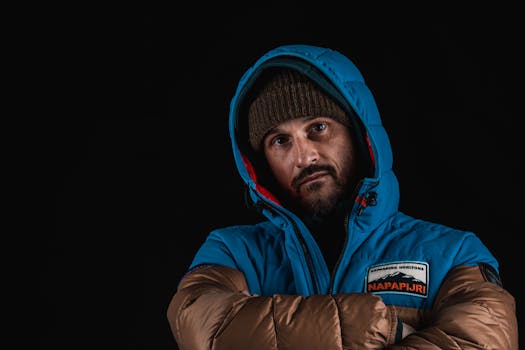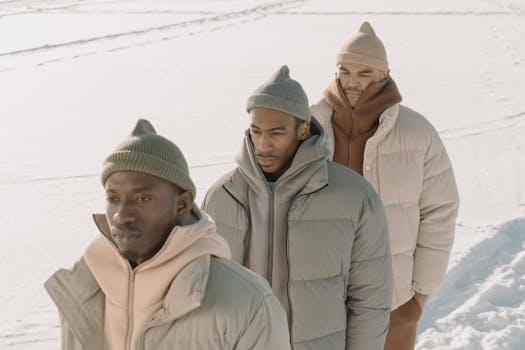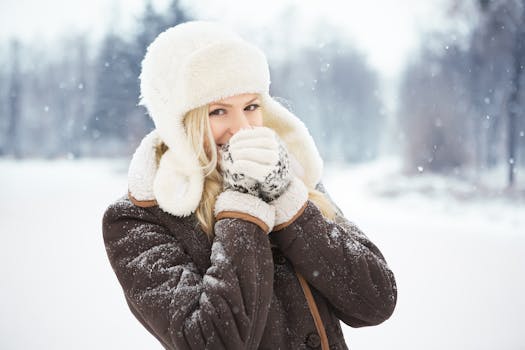
Choosing the right winter outerwear is crucial for comfort, safety, and enjoyment during the colder months. As weather conditions can vary significantly based on geographic location, understanding how to select appropriate jackets, coats, and accessories becomes essential. Here, we explore how specific weather conditions influence the choice of winter garments and provide practical tips for selecting the best outerwear.
- Understanding Weather Patterns and Outerwear Needs
- Mild Winter Climates:
For regions experiencing mild winters, such as parts of the southern U.S. or coastal areas, a lightweight, water-resistant jacket often suffices. These jackets should be breathable to manage body temperature and comfortable over layers.
- Rainy Conditions:
In places like the Pacific Northwest, where rain is more prevalent than snow, waterproof and breathable outerwear is critical. Features such as sealed seams and waterproof zippers help keep moisture out.
.png)
- Severe Cold and Snow:
For those in areas with harsh winters, like the Midwest or mountainous regions, insulated coats are necessary. Look for outerwear with down or high-quality synthetic fill, and ensure the shell is waterproof and windproof to handle snow and strong winds.
- Extreme Conditions:
In Arctic conditions or extremely cold environments, specialized outerwear with advanced insulation, windproofing, and extended coverage (such as long parkas) is vital. These garments often feature enhancements like storm flaps and thermal pockets.
- Key Features to Consider in Winter Outerwear
- Insulation:
Choose between down or synthetic insulation based on your climate and activity level. Down is typically warmer but less effective when wet, while synthetic insulation performs better in damp conditions.
- Waterproofing:
Essential for wet climates, waterproofing is measured in millimeters, with higher numbers offering better protection. Breathability is also a factor, preventing sweat buildup from inside the garment.
- Windproofing:
A windproof outer layer is crucial in preventing wind chill, a significant factor in how cold you feel during windy conditions.
- Visibility:
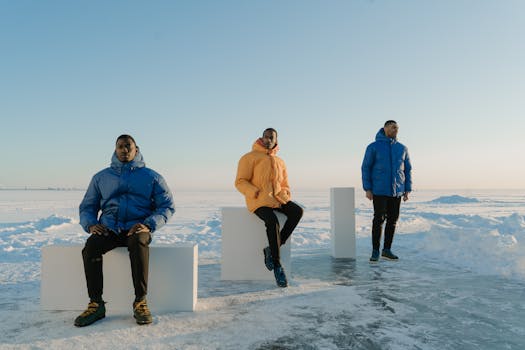
Opt for bright colors or reflective materials if you are active outdoors in areas with low visibility or during shorter winter days to enhance safety.
- Practical Considerations for Choosing Outerwear
- Layering Capability:
Being able to layer clothes underneath your outerwear allows you to adjust to changing temperatures throughout the day without sacrificing comfort or mobility.
- Durability and Maintenance:
High-quality materials and construction not only extend the life of the garment but also support frequent use in rough conditions. Choose outerwear that is easy to clean and maintain.
- Style and Functionality:
While style should not be the primary concern, it still matters. Functional elements like multiple pockets, adjustable cuffs, and detachable hoods add versatility and practicality to your outerwear.
- Conclusion
The right winter outerwear can make a significant difference in your comfort and safety during cold weather. By considering your local weather conditions and the specific features needed in a winter coat or jacket, you can select outerwear that not only protects you from the elements but also supports your winter activities. Investing in high-quality, appropriate winter garments ensures that you stay warm, dry, and active all season long.